Why Feeding a Baby in a Moving Car Is Dangerous
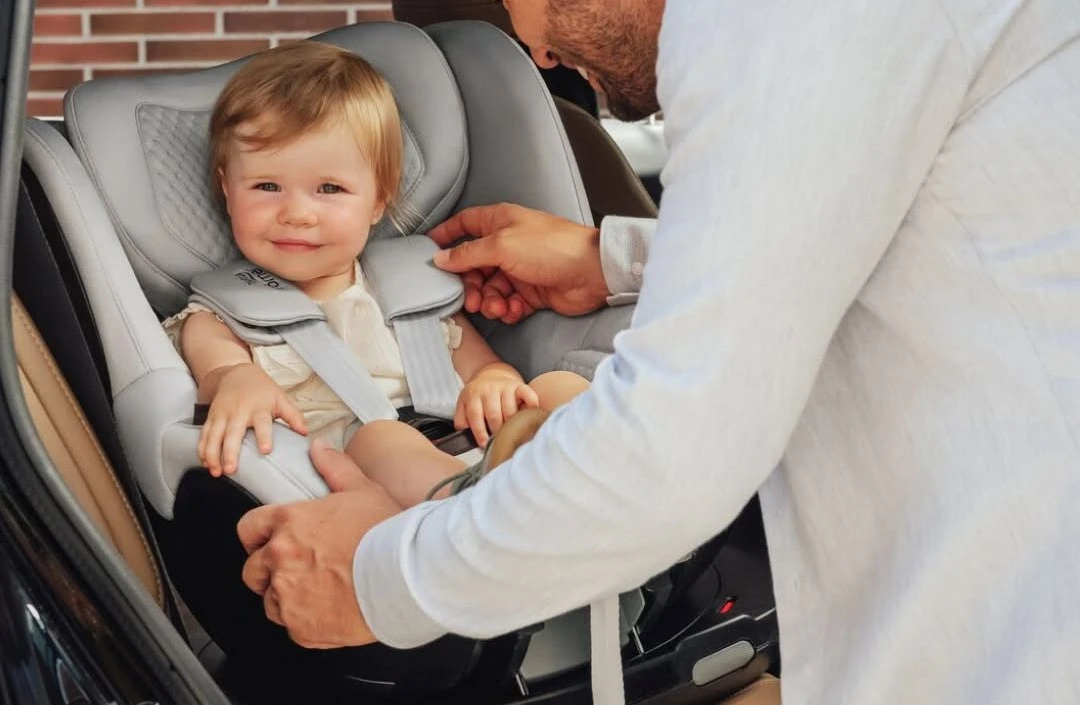
Many parents believe that a child’s safety on the road comes down to having a properly installed car seat and securely fastened seat belts. Yet there is one important factor that often receives far less attention — feeding a child while the vehicle is in motion.
At first glance, it might seem harmless. In reality, however, it can pose a serious threat. Pediatrician Sofiko Parulava explains why this practice is dangerous and how to avoid the risks.
Why you should never feed a child in a moving car?
Feeding a baby — whether breastfeeding or using a bottle — requires taking them out of their car seat. In that moment, any unexpected event, such as sudden braking or a collision, can result in severe injuries to both the child and the adult holding them. There is also a significant risk of choking or aspiration, particularly if the parent is unable to respond immediately. Even something as simple as drinking water can cause overfeeding or lead to fluid entering the airway.
How to do it safely?
- Stop the vehicle
If your child is hungry or thirsty, pull over to a safe location. Only then should you remove them from their baby car seat and feed them.
- Create a calm environment
Feeding in a relaxed setting is not only safer but also helps the child develop a habit of eating in a peaceful and comfortable atmosphere.
- Apply the same rule to water
Do not underestimate the risk of drinking while the car is moving — even the smallest sips can be dangerous.
Is it safe to give snacks on the road?
According to Sofiko Parulava:
- Children under three should not be given this type of food during travel at all.
- From the age of four, it may be allowed only under adult supervision.
- Avoid granular or very small foods, as these are the most common choking hazards.
Feeding during a trip may seem like a quick and easy way to soothe a child, especially on long journeys. But those few minutes of convenience can easily turn into a dangerous situation. In a moving vehicle, a child loses two layers of protection at once — physical (being secured in the car seat) and food safety (active supervision while eating).
A responsible parent acts with forethought, not impulse. A brief stop might disrupt your travel schedule, but it could also save your child’s life.
Remember these three key road safety rules: always use a certified car seat, ensure seat belts are properly fastened, and feed your child only during stops. Following these simple principles can greatly reduce risks and provide your child with the highest level of safety on the road.