Signs of Dehydration in Kids
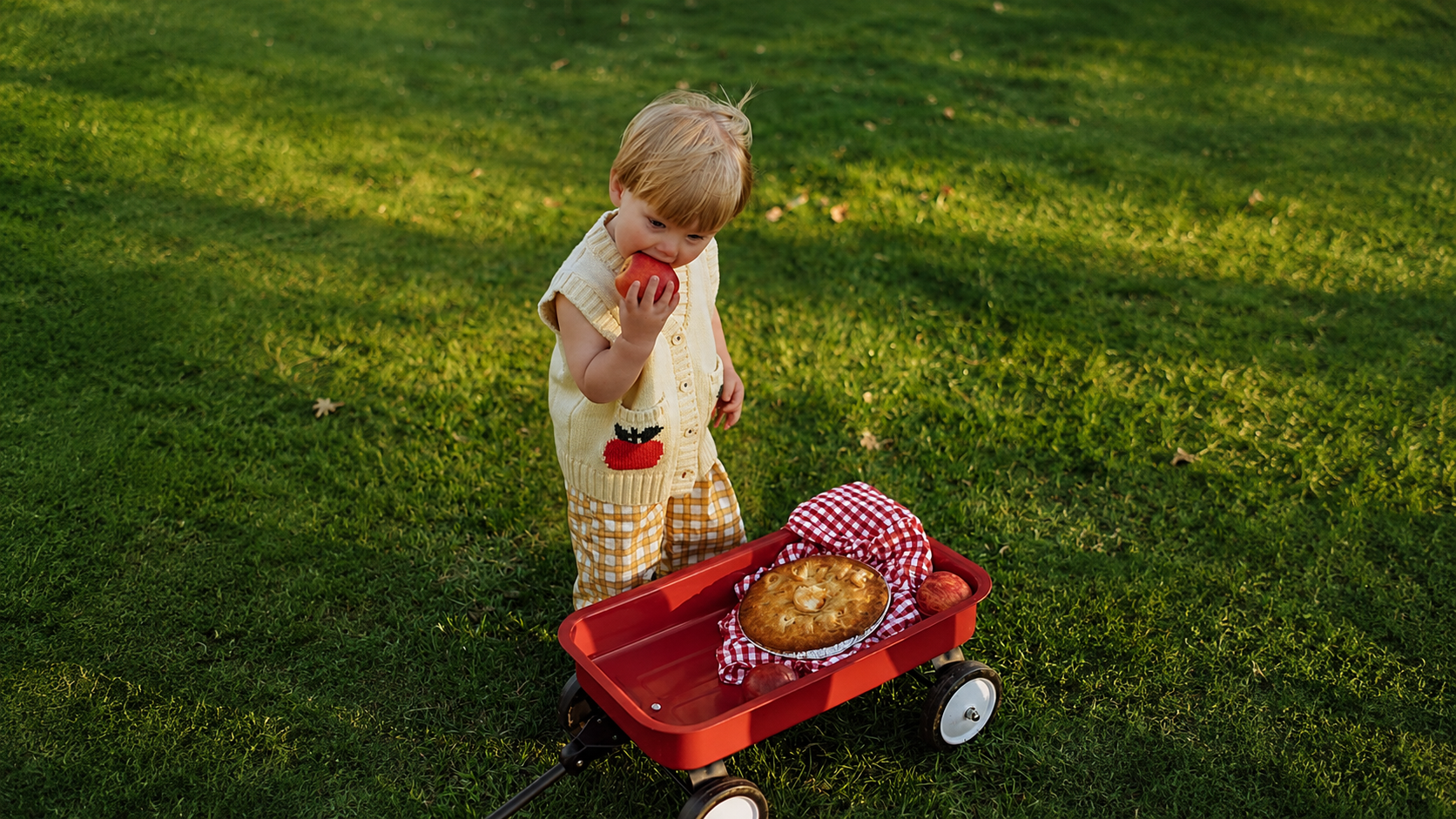
Hot summer days mean outdoor adventures, endless games, and plenty of time spent splashing in the water. But while children are enjoying themselves, they can lose fluids much faster than adults. Because a child's thermoregulation system is still developing, they are more vulnerable to dehydration, especially during periods of extreme heat.
How to recognize the early signs of dehydration
Identifying dehydration early can help prevent serious complications. Watch for these common warning signs:
- Dry lips and mouth;
- Crying without tears;
- Reduced urination (no wet diaper for more than 3 hours in infants, or no urination for 6–8 hours in older children);
- Dark yellow or orange-colored urine;
- Fatigue, irritability, or unusual sleepiness;
- Sunken eyes.
The best ways to keep your child hydrated
Water should be the first choice
Plain, room-temperature water is the best way to maintain hydration throughout the day. Babies younger than 6 months generally receive all the fluids they need from breast milk or infant formula. After 6 months of age, small amounts of water can gradually be introduced alongside complementary foods.
Use oral rehydration solutions when needed
If your child is experiencing excessive sweating, diarrhea, or vomiting, water alone may not be enough. Oral rehydration solutions (ORS) replace both fluids and essential electrolytes, including sodium and potassium, helping the body recover more effectively.
Offer foods with high water content
Many fruits and vegetables contribute to hydration while providing important vitamins and nutrients. Good choices include: Watermelon, cantaloupe, cucumber, strawberries, oranges.
Drinks and foods to limit
Some beverages may actually make dehydration worse or cause digestive discomfort. It's best to avoid:
- Sugary soft drinks and sodas, as their high sugar content can worsen dehydration;
- Ice-cold water, which may cause stomach cramps in some children;
- Undiluted fruit juices, which are best served diluted with water.
Practical tips to prevent dehydration
By the time a child says they are thirsty, mild dehydration may have already begun. Instead of waiting for thirst, encourage regular sips of water throughout the day—especially during active outdoor play. Offering fluids every 20–30 minutes is a simple habit that can make a significant difference.
Give your child their own reusable water bottle when you're heading outside. Having water readily available often encourages more frequent drinking and can even make staying hydrated feel like part of the fun.
Whenever possible, limit vigorous outdoor activities during the hottest part of the day, typically between 11:00 a.m. and 5:00 p.m. Seeking shade, taking regular breaks, and wearing lightweight clothing can also help reduce the risk of overheating and dehydration.