How to Teach Your Child to Love Reading?
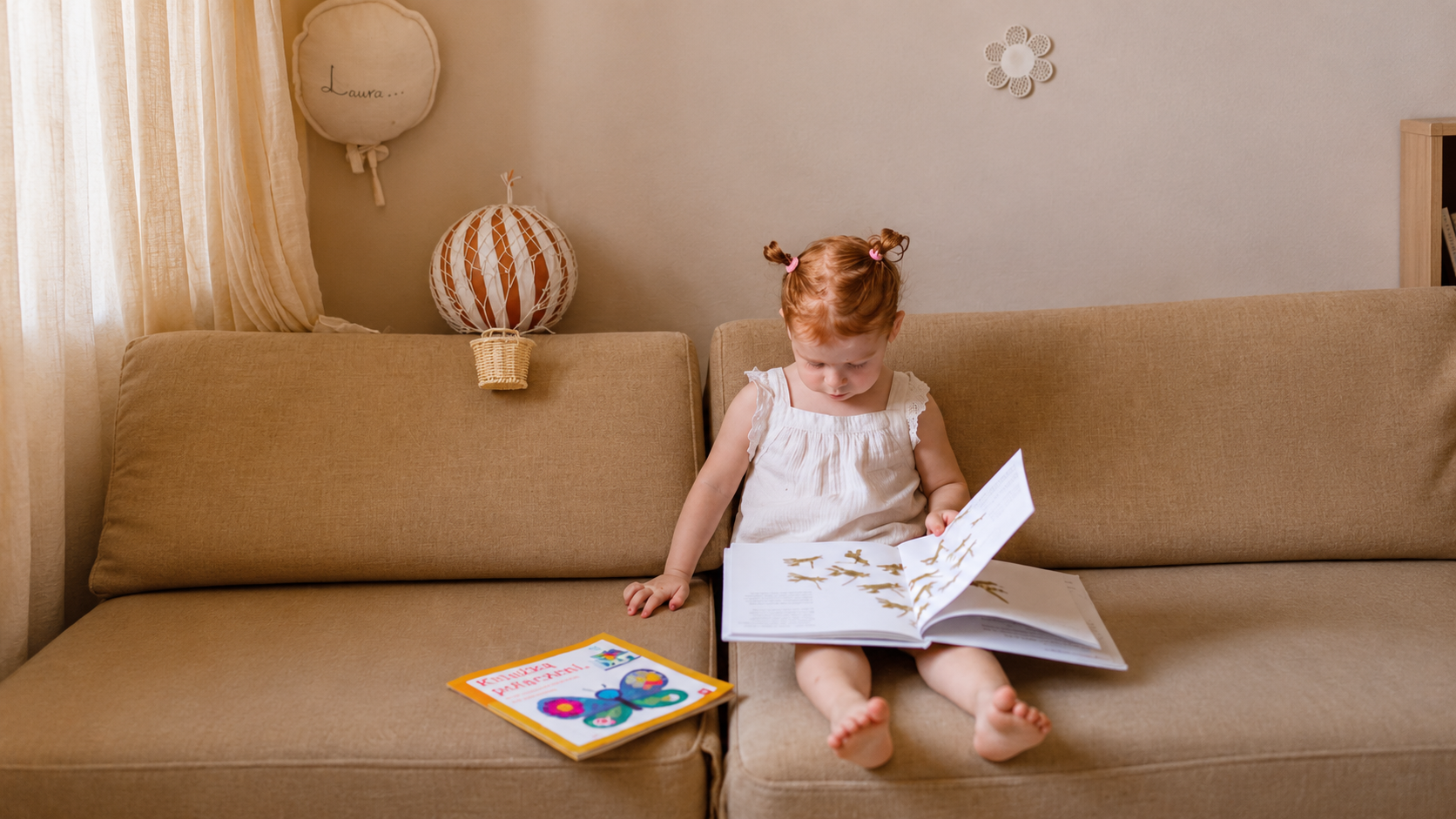
For children to see books as something enjoyable, reading should never feel like a chore. This can be especially true during the summer, when school is out and there is more time for playing, spending time with friends and enjoying favourite activities. Picking up a book may not always be at the top of the list.
Building a reading habit does not mean asking a child to get through a certain number of pages every day. What matters more is helping them see reading as an enjoyable and engaging experience.
A love of reading starts early
Children can be introduced to books long before they start school. Reading a bedtime story, looking through picture books together or sharing a few pages of a favourite story can gradually become a natural part of everyday life.
Parents also have an important role to play. When children see adults reading for pleasure and books being a normal part of family life, they are more likely to develop a genuine interest in reading themselves.
Let your child choose
Not every child is drawn to the same kinds of books. Some love adventure stories, others are fascinated by animals, while some prefer fantasy.
Giving children the freedom to choose what they want to read can make a real difference. Parents can suggest a few options, browse books together and talk about them, while still allowing the child’s own interests to guide the final choice.
When children choose a book themselves, it feels less like an assignment and more like an opportunity to discover something new. That sense of curiosity can be a powerful motivation to keep reading.
Start small
Building a reading habit does not require an hour of reading every day. Especially at the beginning, just 10–15 minutes of relaxed reading can be enough.
The key is to avoid turning reading into a source of pressure. If a child gets tired or loses interest, there is no need to push them to continue. Over time, those few minutes may no longer feel like enough, and they may naturally want to find out what happens next.
Choose books that match their interests
Favourite animals, sports, space, fairy tales, travel or fantasy worlds — almost any interest can become a starting point for finding the right book. The most important thing is to choose something that suits the child’s age and interests, while keeping the experience relaxed and enjoyable.
A love of reading does not develop overnight. Freedom of choice, a calm environment, engaging books and the example set by adults can gradually help make reading a natural part of a child’s everyday life. In the end, what matters most is not how many pages a child reads, but how they feel about books and reading.