Should Your Child Eat Soup?
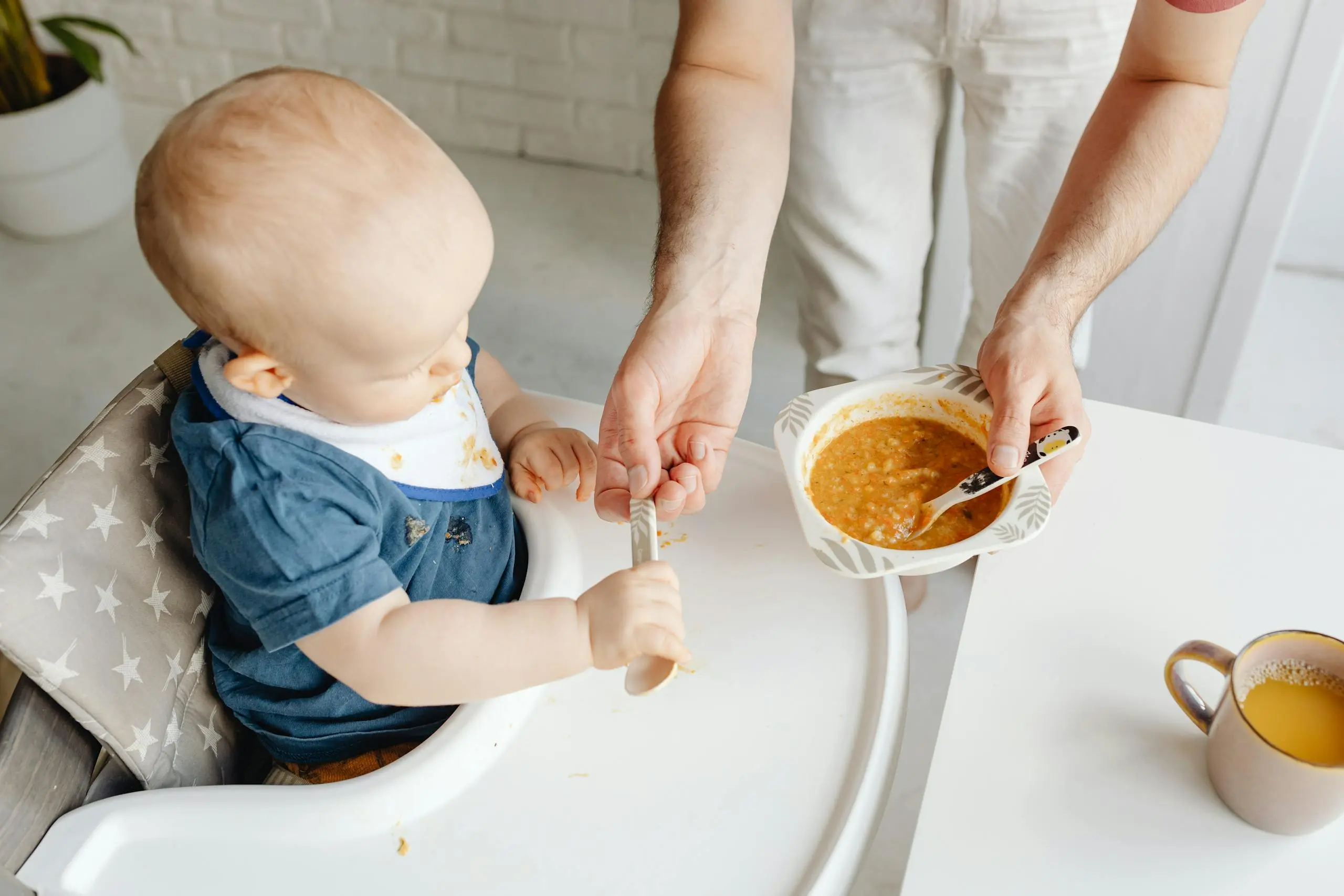
Among parents, there is a widespread belief that a child’s daily diet must include soup. The idea that the gastrointestinal system cannot function properly without “liquid food” has been passed down through generations. However, modern scientific research and leading endocrinologists approach this assumption from a very different angle.
Endocrinologist Lasha Uchava explained to Labebe that if a child consumes an adequate amount of water throughout the day, soup is not a necessary component of the diet.
Hydration Balance and Liquid Dishes
The primary argument for the necessity of soup is hydration. However, as Uchava emphasizes, what truly matters for the body is the intake of fluid itself—not the form in which it is consumed.
If a child drinks sufficient clean water throughout the day, this is fully adequate to support normal physiological function and maintain energy levels. Water is directly involved in all metabolic processes, and in many cases, consuming it separately from meals is more efficient than obtaining it through food.
The World Health Organization (WHO) also highlights that plain drinking water is the most effective source of hydration. Contemporary nutritional guidelines place greater emphasis on overall nutrient diversity rather than the liquid or solid form of a dish.
What Happens During Thermal Processing?
The topic of vitamin and mineral retention is particularly important. Modern medical research clearly shows that high-temperature processing significantly reduces the nutritional value of food. Prolonged boiling of fruits and vegetables often leads to the breakdown or loss of essential nutrients.
According to Lasha Uchava, vegetable soups frequently provide limited nutritional benefit beyond basic hydration. In many cases, it is significantly more beneficial to consume vegetables and fruits in their raw or minimally processed form. Raw produce preserves dietary fiber, which plays a crucial role in supporting healthy digestive function.
Guidelines from UNICEF also support the principle that a child’s diet should be as rich as possible in natural, minimally processed foods. To preserve vitamins and bioactive compounds, minimal heat treatment is recommended, as many nutrients degrade during boiling.
Encouraging Independent and Healthy Choices
One of the most common challenges for parents is managing a child’s eating behavior. The endocrinologist’s recommendation is straightforward: children should not be forced to eat soup. While it is important to provide all essential nutrients required for growth and development, children should be given the freedom to choose how they consume their food.
The role of parents is to reduce exposure to unhealthy options such as sweets, ultra-processed snacks, and semi-finished products. When the home environment is structured around wholesome food choices, whatever the child chooses to eat naturally becomes a healthier decision.
How to Maintain Balance?
To ensure a child’s diet is balanced and aligned with modern nutritional standards, several key principles should be considered:
- Monitor water intake: Ensure that the child has continuous access to clean drinking water throughout the day;
- Prioritize raw and minimally processed foods: Fresh vegetables and fruits remain one of the richest sources of essential nutrients and fiber;
- Avoid pressure during meals: Forcing a child to eat can create long-term negative associations with food and disrupt natural appetite regulation.
Healthy eating is not defined by rigid traditional rules. Instead, it is a dynamic process that focuses on understanding the body’s needs and providing essential nutrients through high-quality, natural foods and a balanced, informed approach.