Why Do Newborns Smile in Their Sleep?
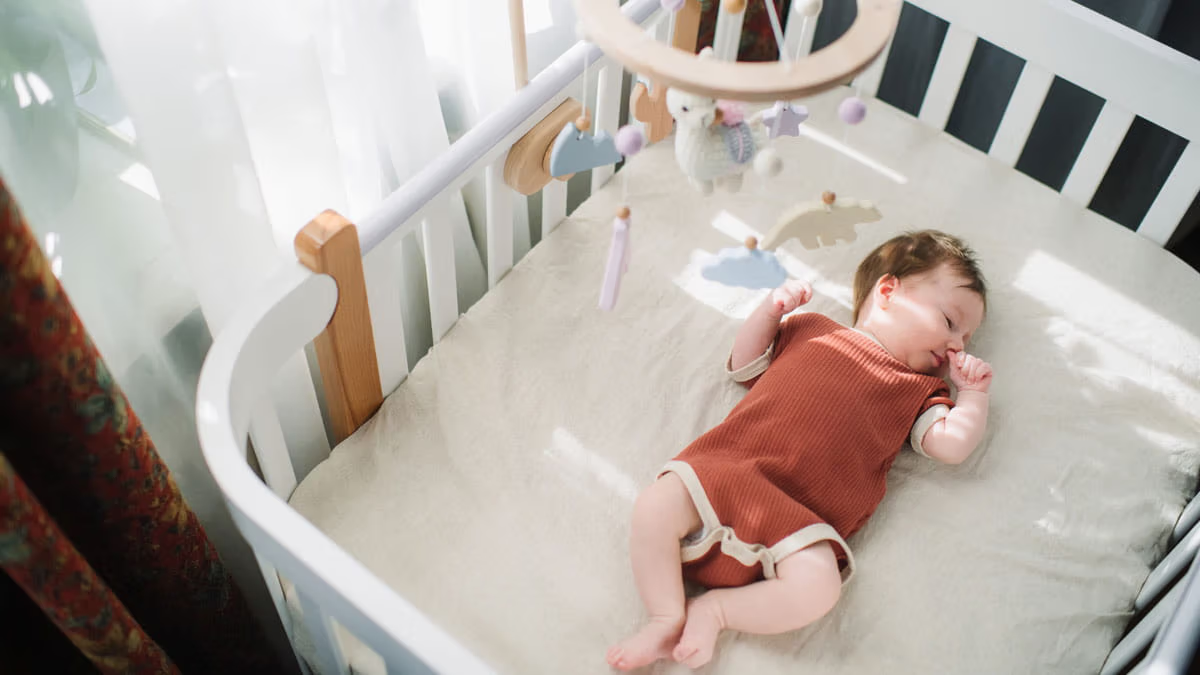
There is perhaps no sight more touching for a parent than a sleeping infant whose face suddenly illuminates with a faint, fleeting smile. Folk wisdom has long suggested that in these moments, a baby is "conversing with angels." This ethereal expression possesses a remarkable power, capable of instantly dissolving a parent's accumulated exhaustion and the memory of endless sleepless nights.
However, if we set the magic aside and look toward the facts, what does the scientific community have to say? While the nature of dreams remains partially shrouded in mystery, modern pediatrics offers optimistic and rational explanations for this charming phenomenon.
REM Sleep and Intensive Brain Training
Unlike adults, for whom REM (Rapid Eye Movement) sleep accounts for only a fifth of their rest, newborns spend up to 50% of their total sleep time in this stage. During these intervals, the infant’s brain operates at its peak, intensively processing and systematizing new sensory data—be it bright lights, unfamiliar sounds, or the comforting scent of a parent. Involuntary contractions of the facial muscles are a direct byproduct of this intense neural activity and the electrical impulses generated deep within the brain.
The Smile as an Innate Reflex
It is important to recognize that a smile appearing in the first few weeks of life is not yet a conscious expression of joy. At this stage, we are witnessing pure physiology—an unconditioned reflex, much like the instinct to suckle or the grasp reflex. Interestingly, infants begin practicing this "art" long before birth; doctors have recorded these facial movements as early as the 26th week of intrauterine development.
What Do Young Children Dream About?
While the "plots" of an infant's dreams are unlikely to be complex, they are likely filled with the most pleasant sensory experiences of their reality. The familiar timbre of a mother’s voice, the taste of milk, or the sensation of a warm touch form positive associations that are replayed during rest. When a baby is in a comfortable, soft, and secure environment, their sleep becomes significantly more restful, and that serene smile appears far more frequently.
The Transition to Social Contact
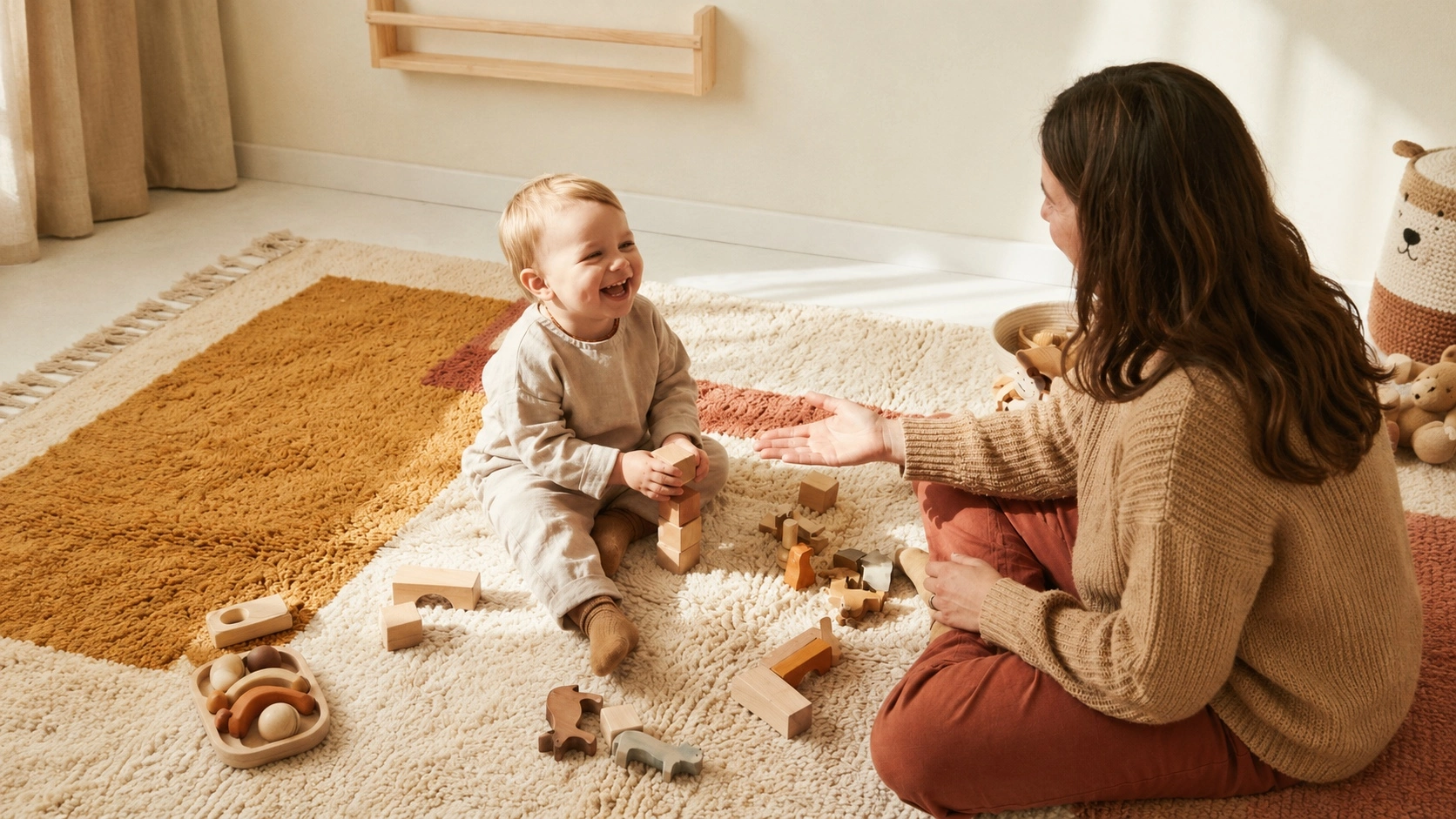
A true social smile—where a baby thoughtfully and consciously responds to a gentle voice or a loving gaze—typically emerges between six and eight weeks of age. This milestone marks a profound new chapter in the parent-child relationship, transforming the mechanical routine of care into a genuine emotional exchange.
Pediatricians view smiling during sleep as a unique indicator of well-being. It signals that the baby’s central nervous system and brain are developing harmoniously and that neural connections are forming correctly. So, the next time your child smiles in their sleep, take heart: they aren't just growing physically, they are successfully navigating the first positive stages of psychological adaptation to our world.