Every Child Has the Right to Say “No”: What Parents Need to Know
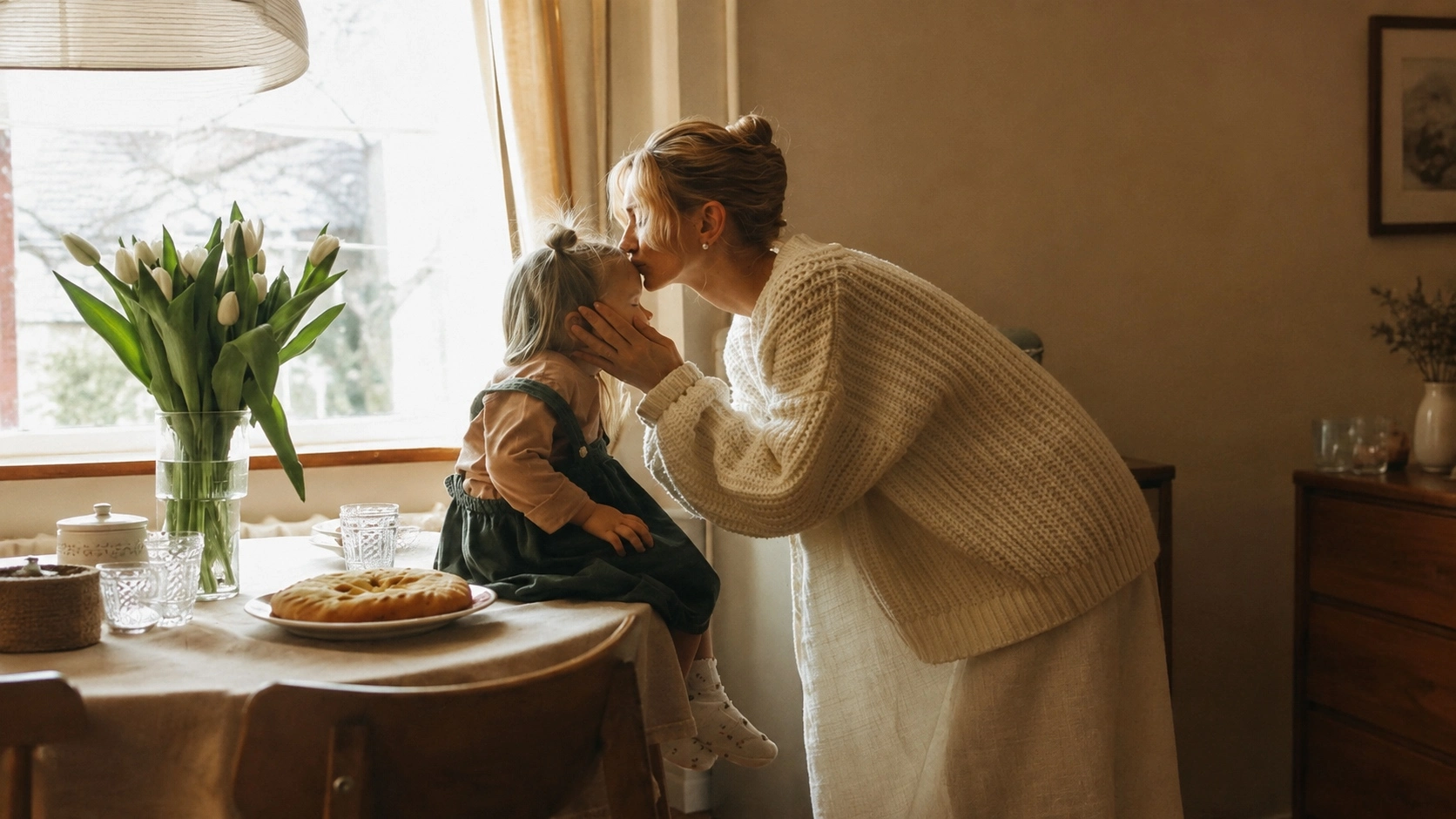
We’ve all witnessed a moment like this: a family friend greets you on the street, leans in to kiss your child or gently pinch their cheek, and your little one instinctively steps back. Too often, adults respond with, “Go on, give them a kiss. Don’t be shy!” What seems like a harmless interaction can leave a powerful message behind: that a child should put someone else’s comfort before their own feelings and boundaries.
Psychologist Khatuna Khazhomia encourages parents to teach children from an early age that their body belongs to them and that it is part of their personal space. If they do not want to hug, kiss, or be touched affectionately, saying “no” is completely natural. It is equally important to explain this calmly to relatives and friends: the child simply does not enjoy that kind of physical contact, and it should never be forced.
There is also a simple rule that children can easily remember: the parts of the body covered by a swimsuit are private and deserve special protection. Touching these areas is only appropriate when a parent is providing care or when a doctor is performing a medical examination.
Children cannot always recognize another person’s intentions, but they are remarkably good at recognizing their own emotions. A touch that feels uncomfortable, frightening, or confusing is an important signal. That is why one simple sentence should be heard often at home: “If anything makes you uncomfortable, always tell me.”
The topic of secrets is just as important. People who abuse children often silence them through fear, telling them that if they tell anyone, something terrible will happen to their family. This is why children need to understand the difference between a surprise and a dangerous secret. A surprise is connected with joy and is meant to be revealed, while a secret that causes fear, anxiety, or guilt should always be shared with a trusted adult.
The greatest responsibility lies with the parent. If your child begins talking about an inappropriate touch, listen first. Do not interrupt, dismiss, or blame them. Every word they say deserves your full attention. A trusting relationship is often the greatest protection a child will ever have.