Fruits and Vegetables in a Child’s Nutrition
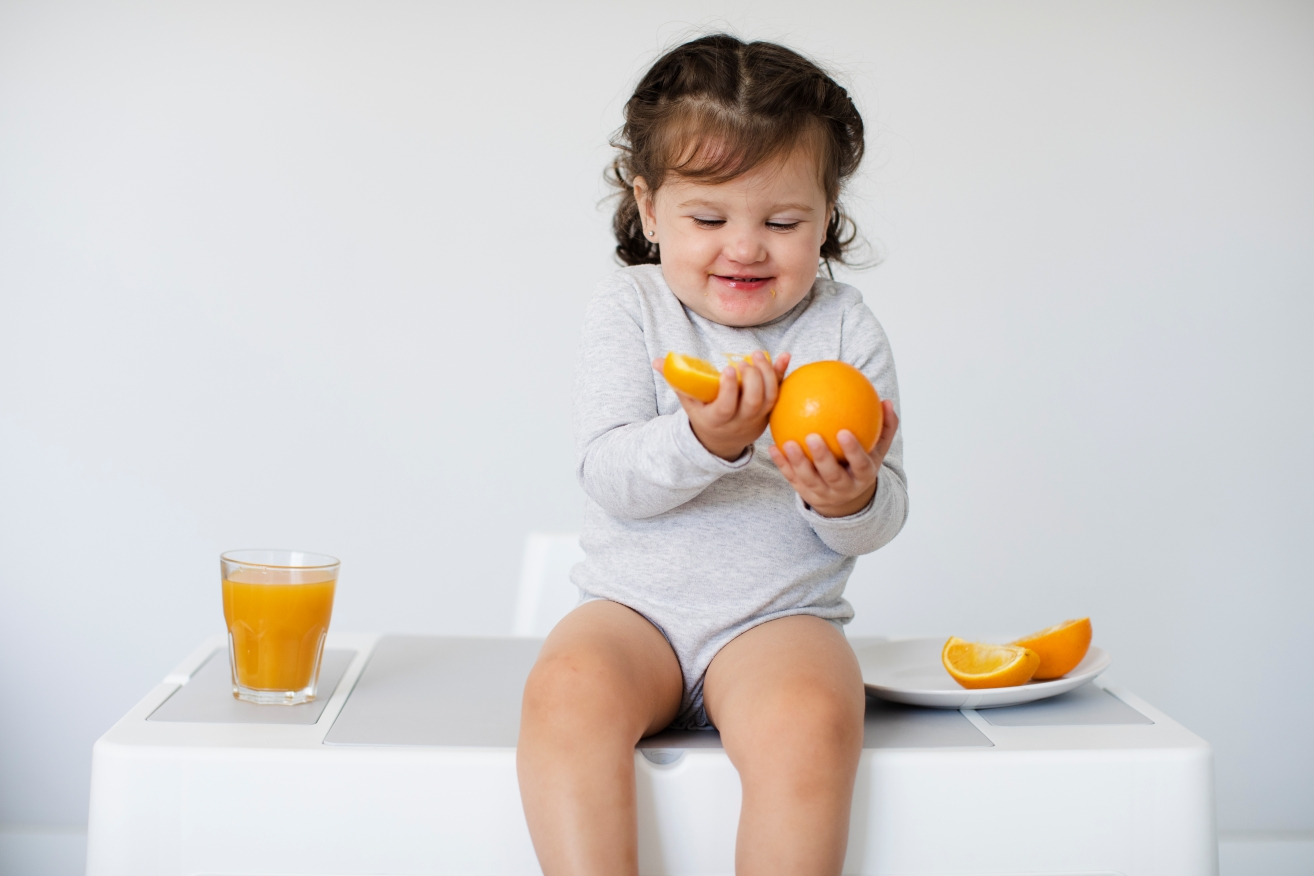
For many parents, integrating plant-based foods into a child’s diet is a persistent challenge. Children tend to favor simple carbohydrates—such as bread and pasta—due to their predictable flavor profiles and consistent textures. Fruits and vegetables, by contrast, present variability in both taste and mouthfeel, which can provoke hesitation or rejection. As a result, the most effective approach is not coercion, but a structured, consistent strategy that accounts for the child’s sensory perception—visual, gustatory, and psychological.
The Role of Visual Presentation
For children, visual appeal often outweighs taste in initial food acceptance. Large or monotonous portions may trigger an immediate, often subconscious rejection, whereas variation in shape and color can significantly enhance engagement. Cutting vegetables into smaller pieces, arranging them by color, and composing a “colorful plate” increases both curiosity and willingness to try. This method also introduces a subtle sense of autonomy, which helps reduce resistance to unfamiliar foods.
Adapting Taste Preferences
Green vegetables—such as spinach, broccoli, and zucchini—are frequently perceived as bitter. A practical strategy is to pair them with naturally sweet ingredients. Smoothies, for instance, can soften vegetal notes with fruit while creating a uniform, palatable texture. Combinations like apple or pear with carrot or pumpkin enable gradual flavor adaptation, minimizing the risk of abrupt rejection.
Involvement in the Cooking Process
From a behavioral standpoint, children are more inclined to trust and accept foods they have helped prepare. Even simple tasks—washing produce, arranging ingredients, or setting the table—enhance engagement and ownership. This effect is further amplified by what can be described as the “product story”: when a child observes how food is grown, such as herbs or tomatoes, a personal connection is formed. This reduces anxiety around new foods and increases openness to trying them.
An Alternative to Sweets
Rigid restrictions on sweets often produce the opposite of the intended effect. A more effective approach is to position fruit as a natural source of sweetness. Dried fruit, for example, retains concentrated flavor and offers a satisfying texture, making it a viable alternative to less nutritious snacks. It is important, however, to avoid framing fruit as a reward; it should be normalized as part of the everyday diet.
Consistency and Patience
The introduction of new foods is inherently gradual—acceptance may require 10–15 exposures. A single refusal does not indicate a fixed aversion. Pressure and stress tend to reinforce negative associations, whereas consistent modeling within the family environment is far more effective. When fruits and vegetables are a regular presence at the table, children are more likely to internalize them as a normative choice and eventually select them independently.