When Is a Child Ready to Use a Booster Seat?
A child has outgrown their current car seat and it is starting to feel a little too snug. Naturally, many parents begin to wonder: Is it time to switch to a booster seat?
A booster seat may seem like a practical next step. It is lighter, more compact and often easier to move between vehicles. However, when it comes to child passenger safety, convenience should never be the deciding factor. The key consideration is whether the child can be positioned correctly in relation to the vehicle’s three-point seat belt.
What Is a Booster Seat and What Is It Used For?
A booster seat, also known as a booster cushion, is intended for children who have outgrown certain types of child restraints but are still too small for the vehicle’s seat belt to fit them properly on its own.
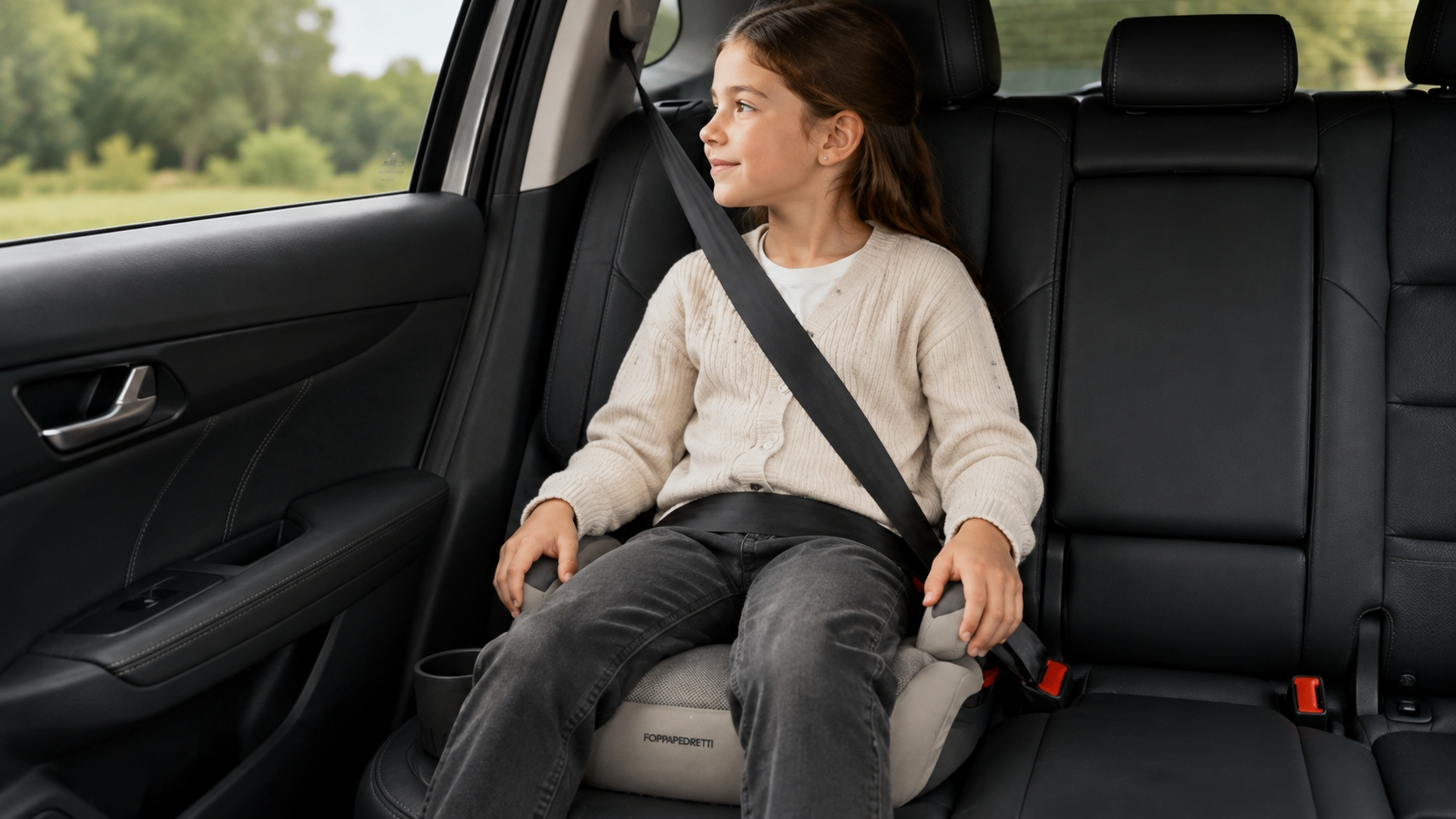
A booster raises the child to a more suitable seating position, helping the vehicle’s seat belt sit correctly across the strongest parts of the body.
Ideally, the seat belt should:
- pass across the shoulder and chest;
- sit low across the pelvis;
- stay away from the neck;
- avoid crossing the soft area of the abdomen.
The primary purpose of a booster seat is therefore to help achieve a correct and secure seat-belt fit.
When Is a Child Ready to Use a Booster Seat?
Age alone does not determine when a child should move to a booster seat. Under the modern UN R129 (i-Size) standard, height is an important factor, and every booster has a specific approved height range that should be followed according to the manufacturer's instructions.
For example, the Foppapedretti Vroom i-Size is designed for children between 125 and 150 cm tall, which corresponds approximately to ages 6–12.
So instead of asking simply, “At what age can a child use a booster seat?”, it is more useful to consider the child’s height, the booster’s approved height range and how well the vehicle’s seat belt fits the child.
Why Should You Avoid Switching to a Booster Seat Too Early?
As children grow, parents may feel that they have outgrown their baby car seat simply because it feels narrower or because the child looks older. However, appearance alone does not mean a child is ready for a less supportive restraint.
If the current car seat remains suitable for the child’s height and developmental needs, there is generally no reason to switch to a booster simply because the child wants more space or the booster is lighter and easier to handle.
Choosing a restraint that provides an appropriate level of support for as long as possible is an important part of safe travel.
For example, the Foppapedretti range includes i-Size car seats designed for children between 100 and 150 cm tall, allowing one seat to accommodate a child through several stages of growth.
Booster Seat or High-Back Car Seat: Which Should You Choose?
This question often comes up when a child reaches around 100–125 cm in height.
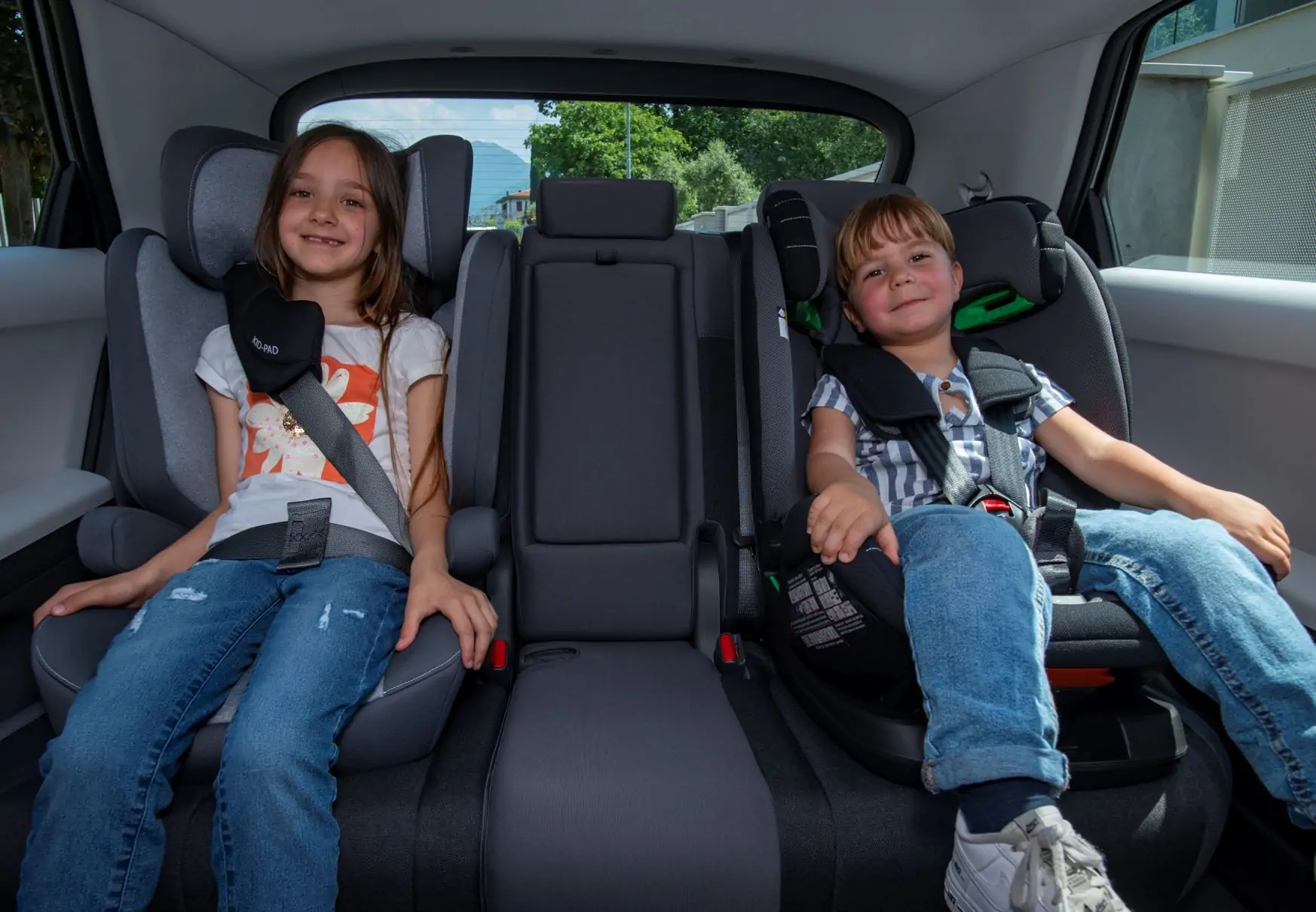
A high-back car seat provides more support around the child's body, head and sides. Depending on the model, it may also feature an adjustable headrest and other components that can be adapted as the child grows.
The Foppapedretti Time i-Size is designed for children from 100 to 150 cm tall. It features an adjustable headrest and can be installed with or without Isofix.
If your child still benefits from the additional support of a high-back car seat, continuing to use it may be a better option than switching to a booster simply because the booster is smaller or lighter.
A baby booster seat can be an appropriate choice when the child meets the specific model’s requirements and the vehicle’s seat belt fits correctly when the child is seated on it.
Foppapedretti Vroom i-Size: Booster Seat for Children 125–150 cm Tall
The Foppapedretti Vroom i-Size is designed for children between 125 and 150 cm tall, covering an approximate age range of 6–12 years. The model is approved under the ECE R129/03 standard.
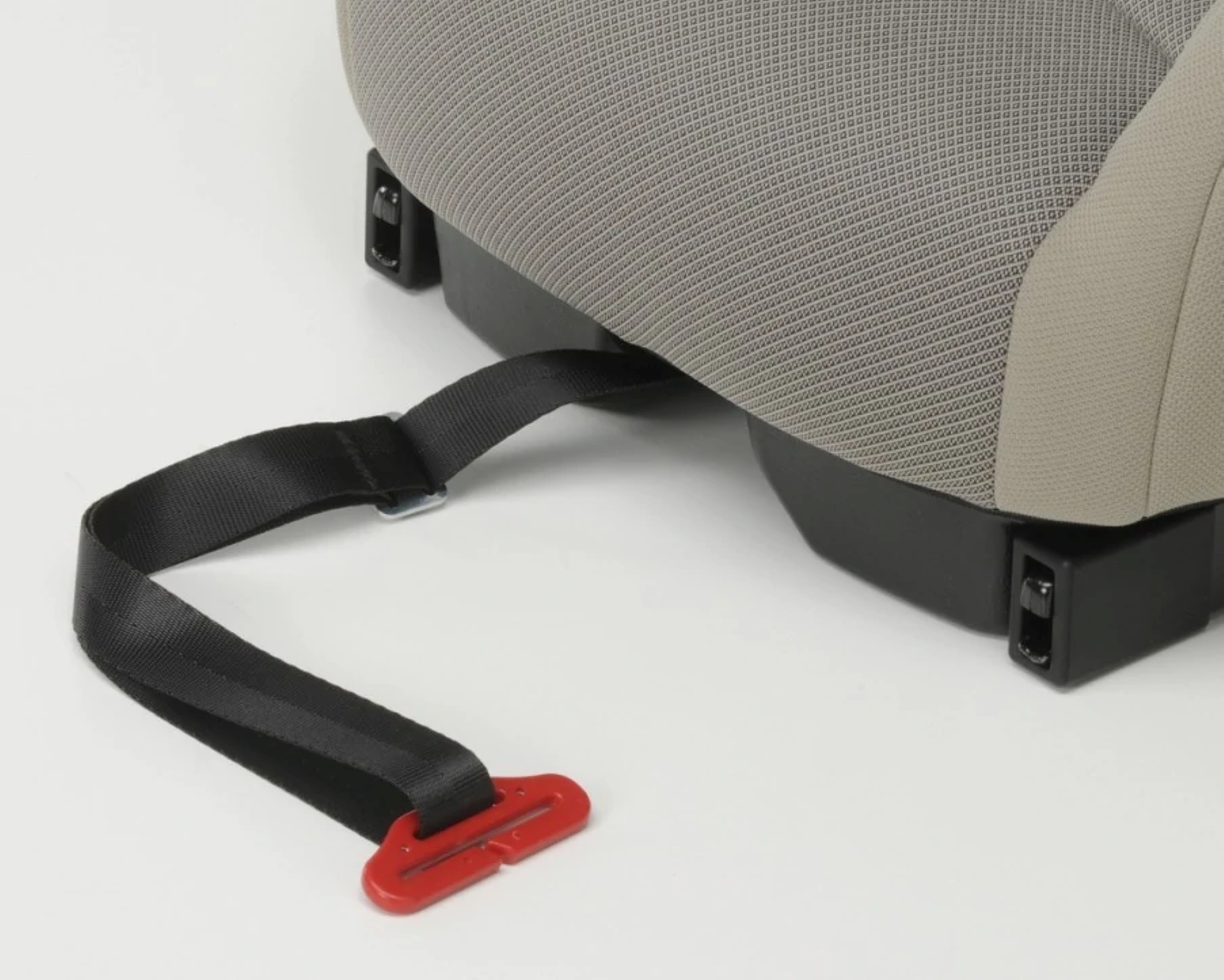
One of its practical features is the Dual Fix system, which allows the Vroom i-Size to be used with or without Isofix. In either configuration, the child is secured using the vehicle’s three-point seat belt. According to the manufacturer's instructions, the Isofix connectors are recommended when compatible anchorage points are available in the vehicle.
Key features of this Italian booster seat include:
- Designed for children 125–150 cm tall;
- Suitable for approximately 6–12 years;
- Approved under the ECE R129/03 standard;
- Dual Fix – can be used with or without Isofix;
- Includes a seat-belt positioning guide;
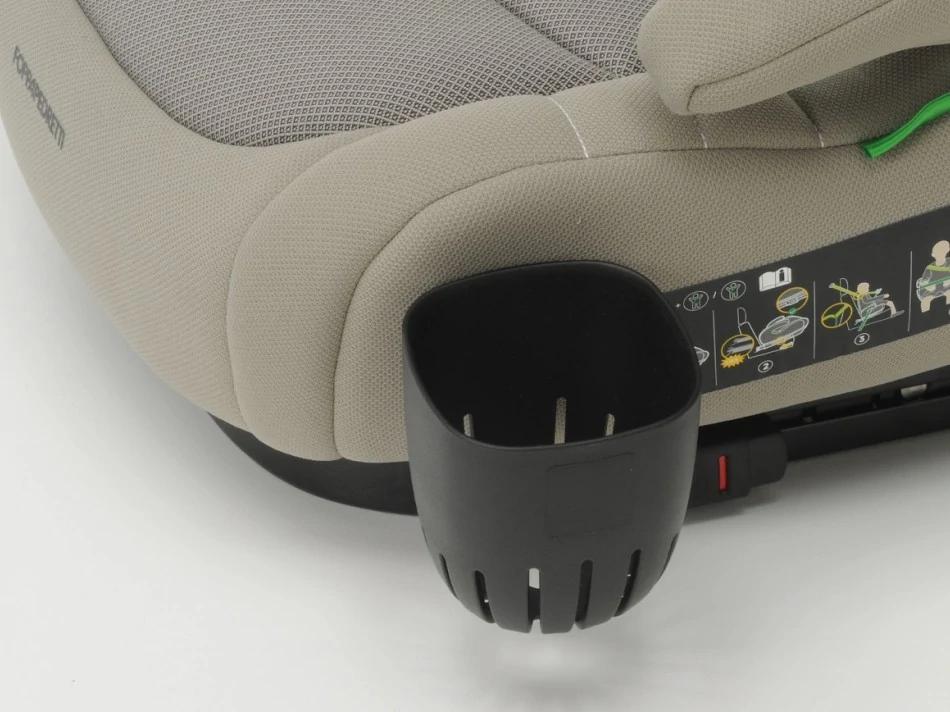
- Integrated cup holder;
- Removable, washable cover;
- Lightweight design at just 3 kg;
- Dimensions: 23.5 × 40 × 44 cm.
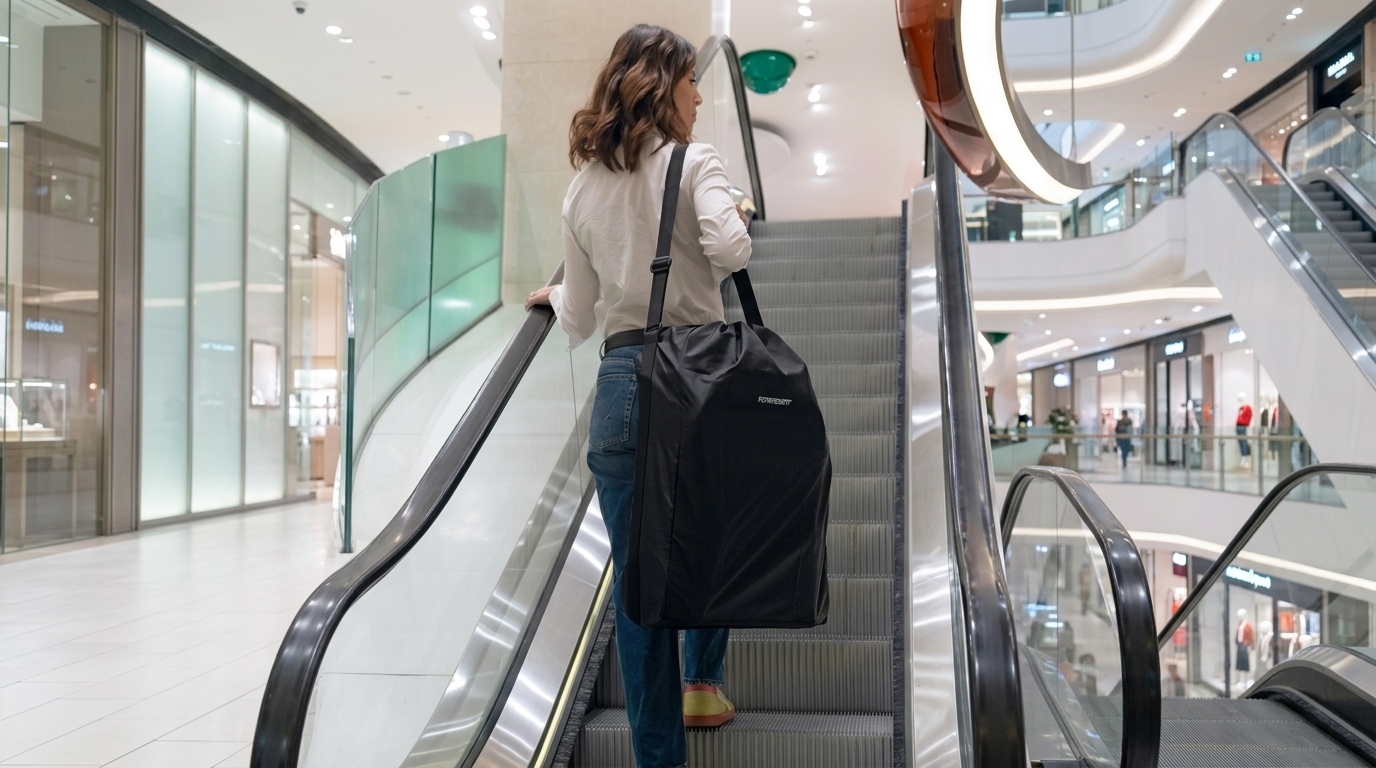
Its lightweight construction can be especially convenient for families who regularly travel in different vehicles.
How Should the Seat Belt Fit on a Booster Seat?
Once you have chosen a booster, it is important to check more than just whether your child feels comfortable. Seat-belt positioning is essential.
The shoulder belt should lie across the shoulder and chest without touching the neck. The lap belt should sit low across the pelvis rather than across the soft part of the abdomen.
The child should remain properly restrained throughout the journey. The shoulder belt should never be placed behind the back or under the arm.
If the belt rides up towards the neck, crosses the abdomen or otherwise sits incorrectly, simply using a booster does not solve the problem. Recheck the booster’s suitability, installation and the way the seat belt fits the child.
When Is a Booster Seat the Right Choice?
Before switching from a car seat to a booster, consider these key factors:
- Your child’s height – Does the booster’s approved height range match your child’s current height?
- Their current car seat – If the existing restraint is still suitable for your child, there may be no reason to switch prematurely.
- Seat-belt positioning – When your child is seated on the booster, does the three-point belt sit correctly across the shoulder, chest and pelvis?
- Vehicle compatibility – Always check the instructions for both the booster and your vehicle. The official instructions for the Foppapedretti Vroom i-Size specify the approved i-Size seating positions and emphasise following the vehicle manufacturer's instructions.
- Your child’s behaviour in the car – A child using a booster needs to remain seated correctly throughout the journey and avoid moving the seat belt out of position.
A Booster Is Smaller, but the Safety Requirements Are Not
The compact design and low weight of a booster car seat can make it a convenient option for families. However, a smaller restraint does not mean that the safety requirements become less important.
When choosing a booster seat, consider your child’s height, the booster’s approved size range and its compatibility with your vehicle. Before every journey, make sure the three-point seat belt is correctly positioned across the child’s body and that the manufacturer's instructions are followed.
This is why age should never be the only factor when deciding whether a child is ready for a booster seat.
Instead, ask:
- How tall is my child?
- What height range is the booster approved for?
- Does the vehicle’s seat belt fit correctly?
- Is the booster compatible with my vehicle?
- Can my child remain correctly seated and keep the seat belt in position throughout the journey?
If your child meets the requirements of the specific booster and the seat belt fits correctly, a booster seat may be an appropriate next step.
Choose the Right Booster Seat for Your Child at Labebe
Safe car travel starts with choosing a child car seat that matches your child’s size and stage of development. When your child is ready to move to a booster seat, choosing the right model for their height, your vehicle and your family's everyday needs is essential.
At Labebe Boutique, you can exclusively find a selection of premium Foppapedretti booster seats and child car seats. The Italian brand’s range includes models for children of different heights and stages, including i-Size car seats and a booster seat designed for children between 125 and 150 cm tall.
If you are unsure whether your child is ready for a booster or would benefit from continuing with a high-back car seat, explore the Foppapedretti car seat collection at Labebe Boutique and choose a model designed to support your child as they grow and your family’s travel needs evolve.