Why Personal Space Matters for Growing Kids?
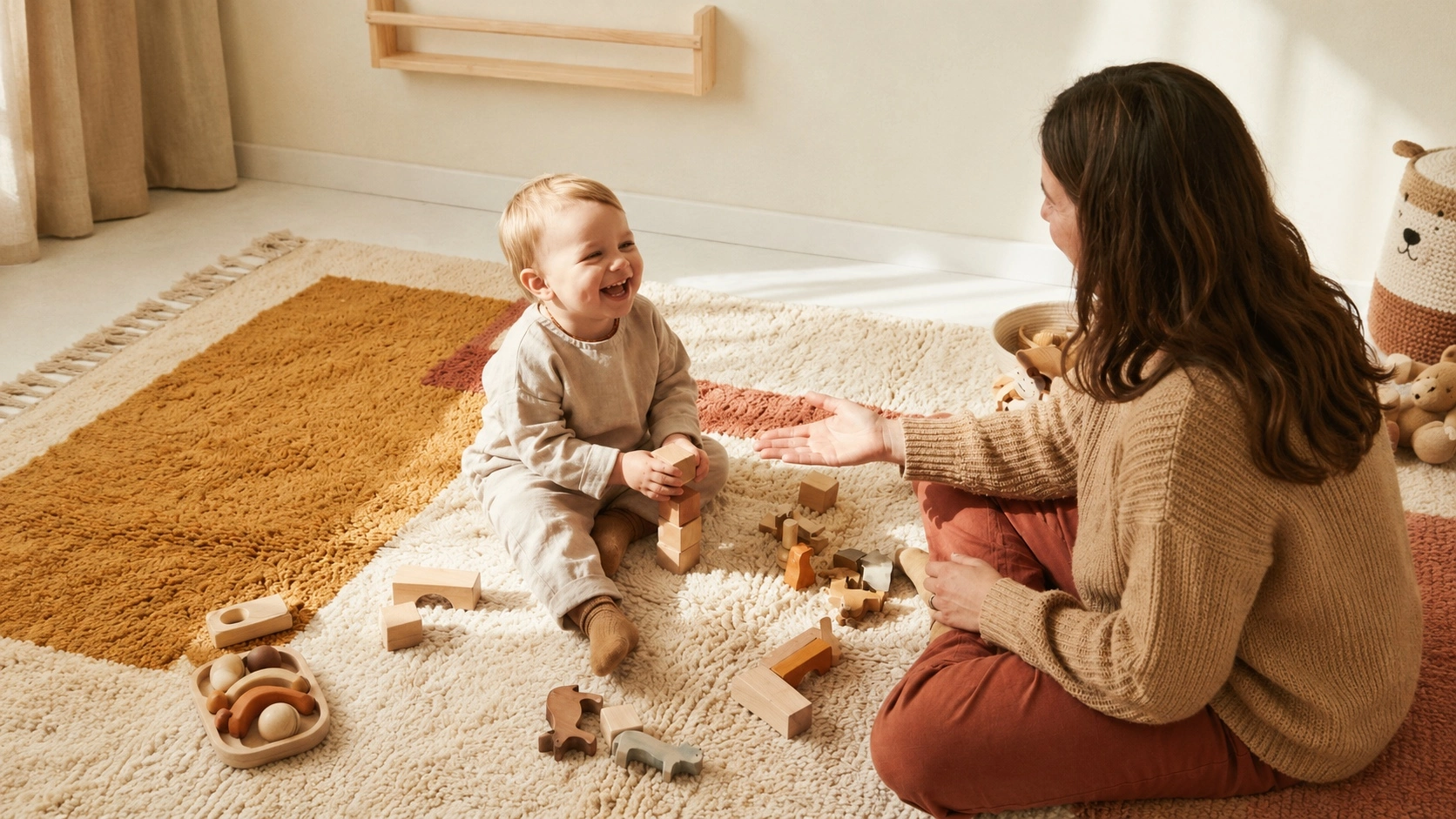
A child benefits greatly from having a space of their own from an early age. Having a place to play, relax, keep their favourite belongings, and enjoy time alone contributes significantly to their emotional well-being and personal development.
Personal space encourages independence. Having their own bed, a dedicated play corner, or a designated place for their belongings helps children gradually learn to keep their surroundings tidy, take responsibility for their possessions, and make decisions independently. Even small, everyday choices can strengthen their confidence and sense of autonomy.
Creating a personal space for a child does not require a large room or an abundance of furniture and accessories. A small, thoughtfully arranged corner can be just as effective, provided it reflects the child’s age, interests, and individual needs.
When designing a child’s personal space, several key considerations deserve attention:
- Comfort: a comfortable bed, a cosy place to unwind, and age-appropriate furniture make everyday activities more enjoyable;
- Safety: sturdy furniture, thoughtfully positioned items, and clear pathways help create a secure environment;
- Organization: designated storage for toys and books encourages children to keep their belongings in order independently;
- Personal choice: favourite colours, patterns, and decorative accents give children the freedom to express their individual tastes.
A child’s personal space extends beyond their physical surroundings to include their personal boundaries. Parents play an important role in teaching children to respect their own belongings, recognise the importance of privacy, and communicate their preferences in ways appropriate to their age. At the same time, children need the freedom to explore and make choices within boundaries that ensure their safety and reflect their stage of development.
Time spent playing independently is equally valuable. Without constant direction from adults, children can explore their imagination, experiment with new ideas, and discover their interests. These experiences also help them develop problem-solving skills and become more comfortable making decisions on their own.
As children grow, their needs, preferences, and interests naturally evolve. Their personal space should evolve with them, accommodating new activities and changing developmental needs. Versatile furniture, practical storage solutions, and carefully chosen accessories make it easier to adapt the environment over time.
Creating a personal space for a child means providing a comfortable, safe environment that encourages independence and supports healthy development. Through everyday experiences, children learn to care for their belongings, respect personal boundaries, and recognise the needs and boundaries of others.