Why You Shouldn't Ignore Abdominal Bloating in Children
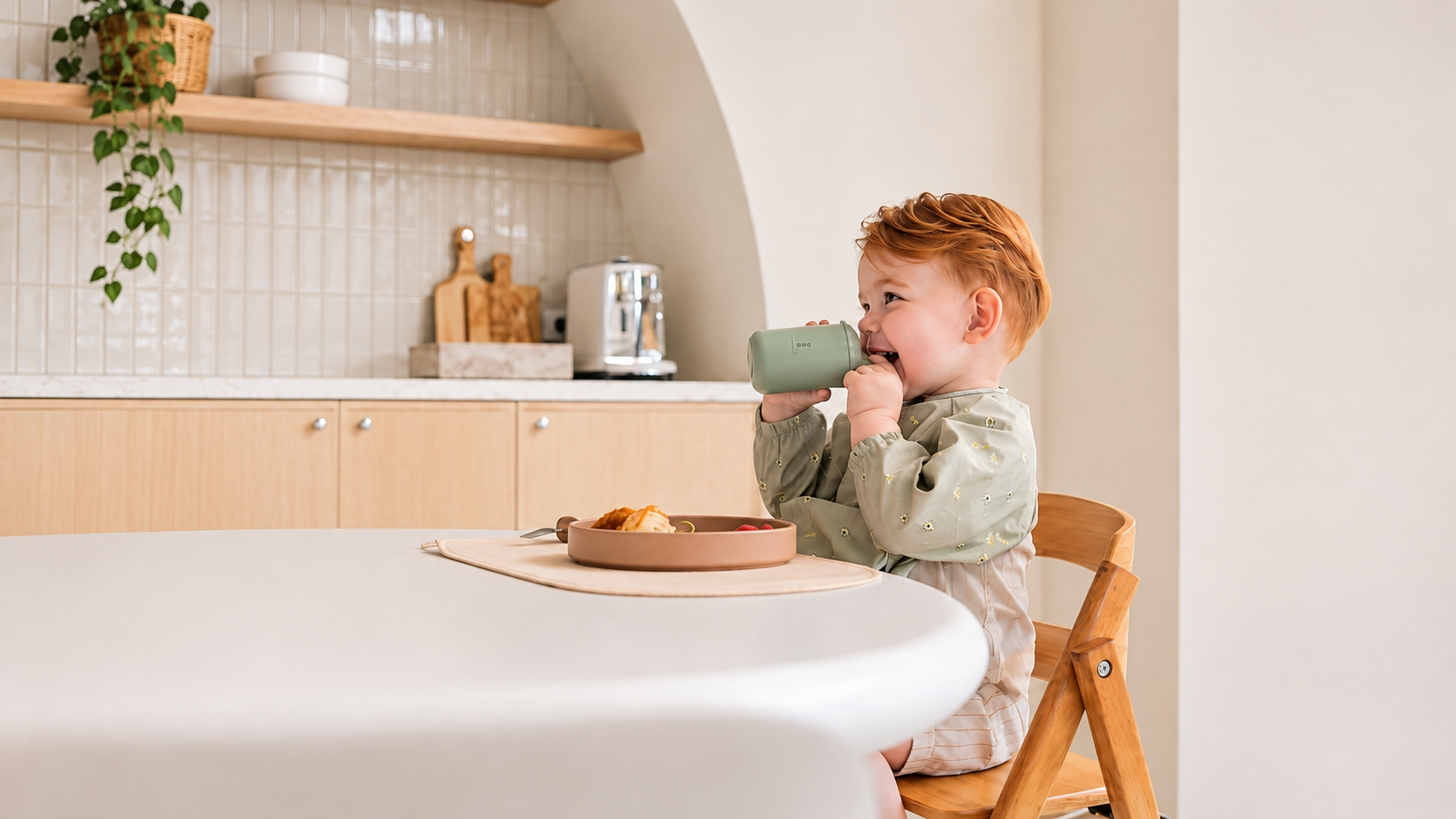
When a child complains of a bloated stomach, many parents dismiss it as a passing discomfort, assuming it will resolve on its own. However, pediatrician and gastroenterologist Mariam Ghughunishvili advises against overlooking recurrent abdominal bloating. Digestive disorders in children can manifest in a variety of ways, ranging from occasional or persistent abdominal pain to constipation, diarrhea, nausea, and vomiting.
Dietary habits are among the most common contributors to abdominal bloating. A diet high in heavily processed foods, excessively large portions, and meals eaten too close to bedtime can place unnecessary strain on a child's digestive system. Rich, heavy meals in the evening may also slow digestion and contribute to excessive gas production. In some cases, the underlying cause may be a food intolerance. Children who have difficulty digesting lactose or fructose may experience bloating, abdominal discomfort, and a feeling of fullness after consuming certain dairy products or fruits. Paying close attention to what a child eats and how their body responds can help parents identify potential dietary triggers.
Recurrent bloating warrants particular attention when accompanied by other digestive symptoms. Abdominal pain, nausea, vomiting, and diarrhea are warning signs that should prompt medical evaluation. Younger children, who may struggle to articulate how they feel, often express physical discomfort through increased irritability, loss of appetite, or disturbed sleep. Delaying medical assessment or attempting to manage symptoms without understanding their underlying cause can allow the condition to worsen.
Chronic constipation is another significant concern, particularly because its symptoms are often misunderstood. Contrary to popular belief, constipation is not defined by hard stools alone. Painful or infrequent bowel movements can also indicate an underlying problem. Children who associate going to the toilet with pain may deliberately resist the urge to pass stool, creating a cycle that further aggravates constipation. Perhaps more surprisingly, involuntary stool leakage can also be a symptom of chronic constipation. Such incidents should never be attributed to laziness, carelessness, or poor toilet habits. They require medical attention rather than criticism or reprimands.
Even modest changes to a child's daily routine can make a meaningful difference to their digestive health. Offering smaller meals at consistent intervals, avoiding overeating, and allowing sufficient time between dinner and bedtime may help alleviate discomfort. Keeping a food diary can also prove invaluable. A record of meals, portion sizes, and recurring symptoms provides the gastroenterologist with useful information when determining the underlying cause.
When left untreated, chronic constipation can have lasting consequences. Prolonged stool retention may lead to distension of the bowel and reduced sensitivity, making it increasingly difficult to restore normal bowel function. Establishing consistent eating habits, taking children's complaints seriously, and seeking timely medical advice can help prevent complications and support long-term digestive health.