The Magic of Open-Ended Play for Toddlers
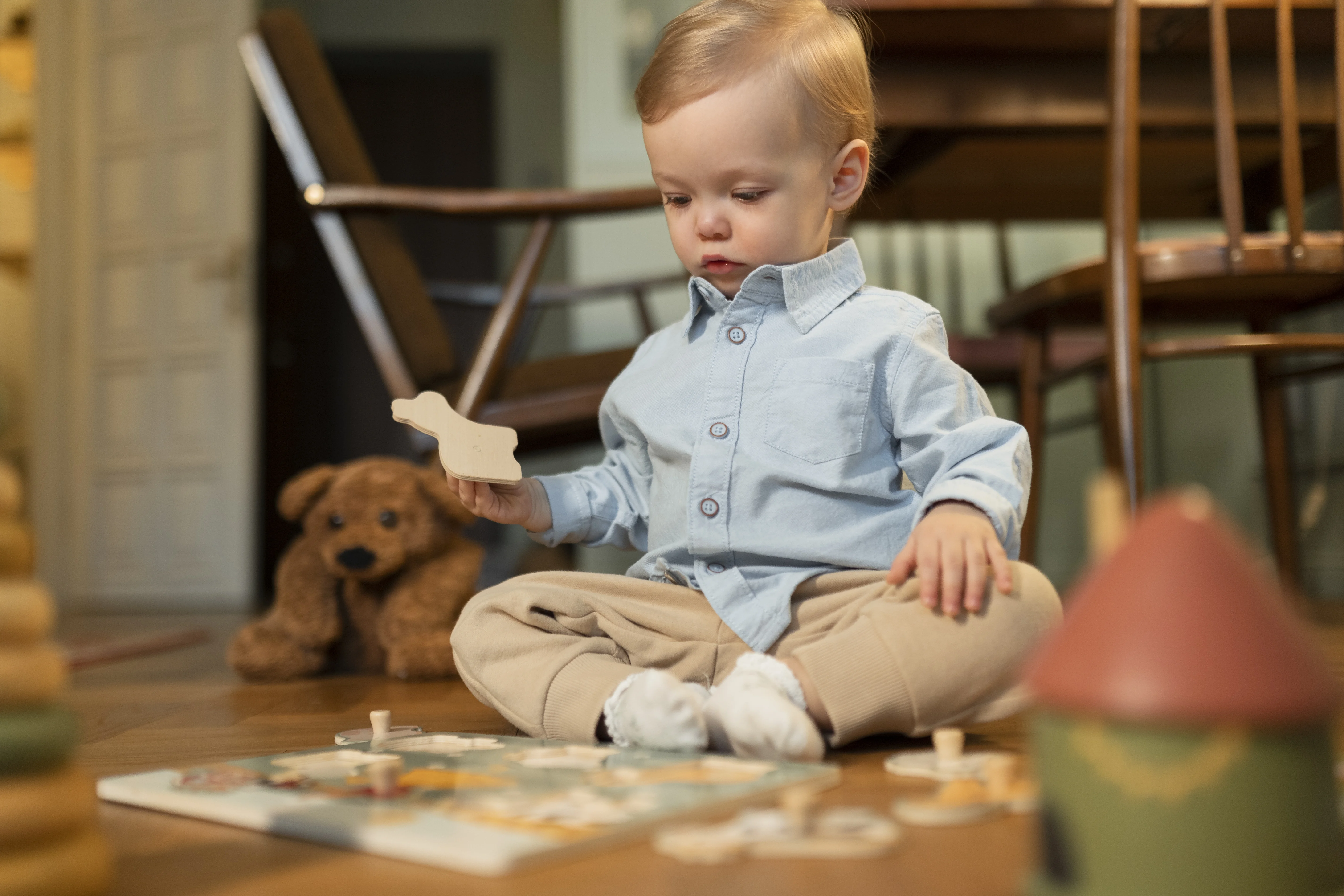
In the dynamic world of children, open-ended play unlocks the gates to a realm of exploration and creativity. But what precisely does open-ended play entail for toddlers?
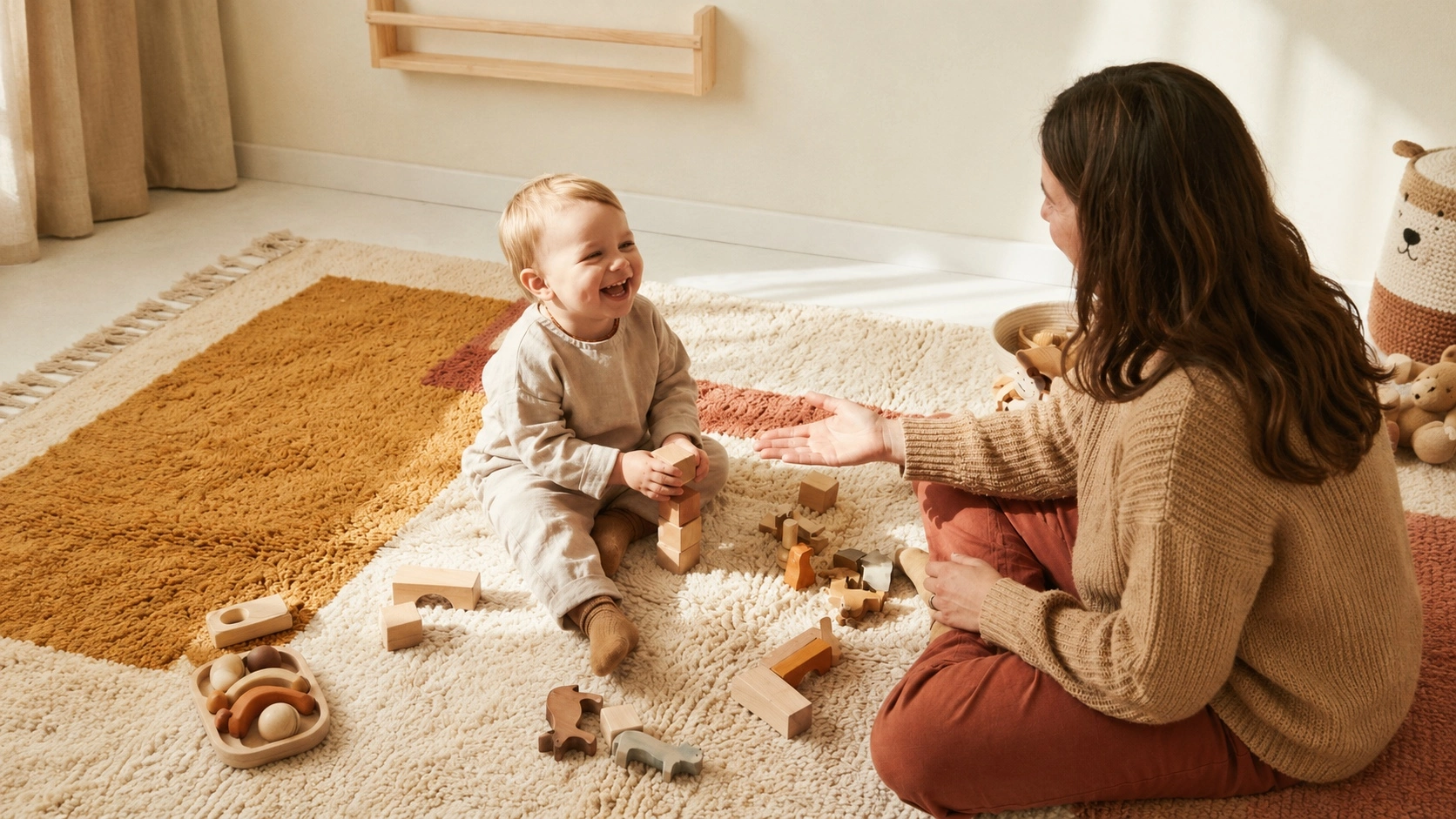
Open-ended play embodies an unstructured, unrestricted form of play where toddlers can give free rein to their imagination without being constrained by rules or specific tasks. Within this type of play, toys and materials lacking predefined purposes are utilized, enabling children to craft their own adventures.
Open-ended play contributes to the development of a child's cognitive abilities, aiding in the cultivation of problem-solving skills. This process also bolsters self-confidence, as children independently make choices and decisions.
Furthermore, open-ended play nurtures the growth of social skills. Children naturally learn the values of sharing, cooperation, and communication as they immerse themselves in their make-believe escapades.
Ultimately, for our little stars, open-ended play symbolizes a captivating voyage of self-discovery, skill honing, and delightful exploration, setting the stage for their love of learning.