Raising Emotionally Intelligent Children

Experiencing and understanding different sensations is a natural part of everyone’s daily life. This process is continuous and evolves throughout a person’s lifetime. For children, however, emotions can often feel overwhelming and confusing, as emotional regulation, cognition, and intelligence are still in the early stages of development.
A child’s emotional intelligence depends heavily on the family, parents, and environment in which they grow up. Parents play a crucial role in this process by offering support, showing empathy, and providing emotional guidance.
Emotional intelligence helps children better understand their feelings and build healthy relationships. These skills make it easier for them to socialize, make friends, and handle challenges. Along the way, children need someone to explain what they are experiencing, how to manage their emotions, and how to respond appropriately in different situations.
As children grow, they gradually learn to regulate their emotions and direct them in positive ways. Unlike adults, they often express their feelings through behavior, as they have not yet developed the ability to fully control their emotions and avoid acting impulsively.
Because children learn a great deal by observing others, it is essential for parents to act thoughtfully and set good examples. Since children lack the life experience of adults, they need more time and guidance to understand situations and their emotional impact.
Children often imitate adult behavior, making it even more important to model healthy emotional responses. For example, if you feel stressed by a problem, you can explain to your child, in simple terms, what’s bothering you and how you plan to handle it. Naming specific emotions helps children learn how to identify and express their own feelings appropriately.
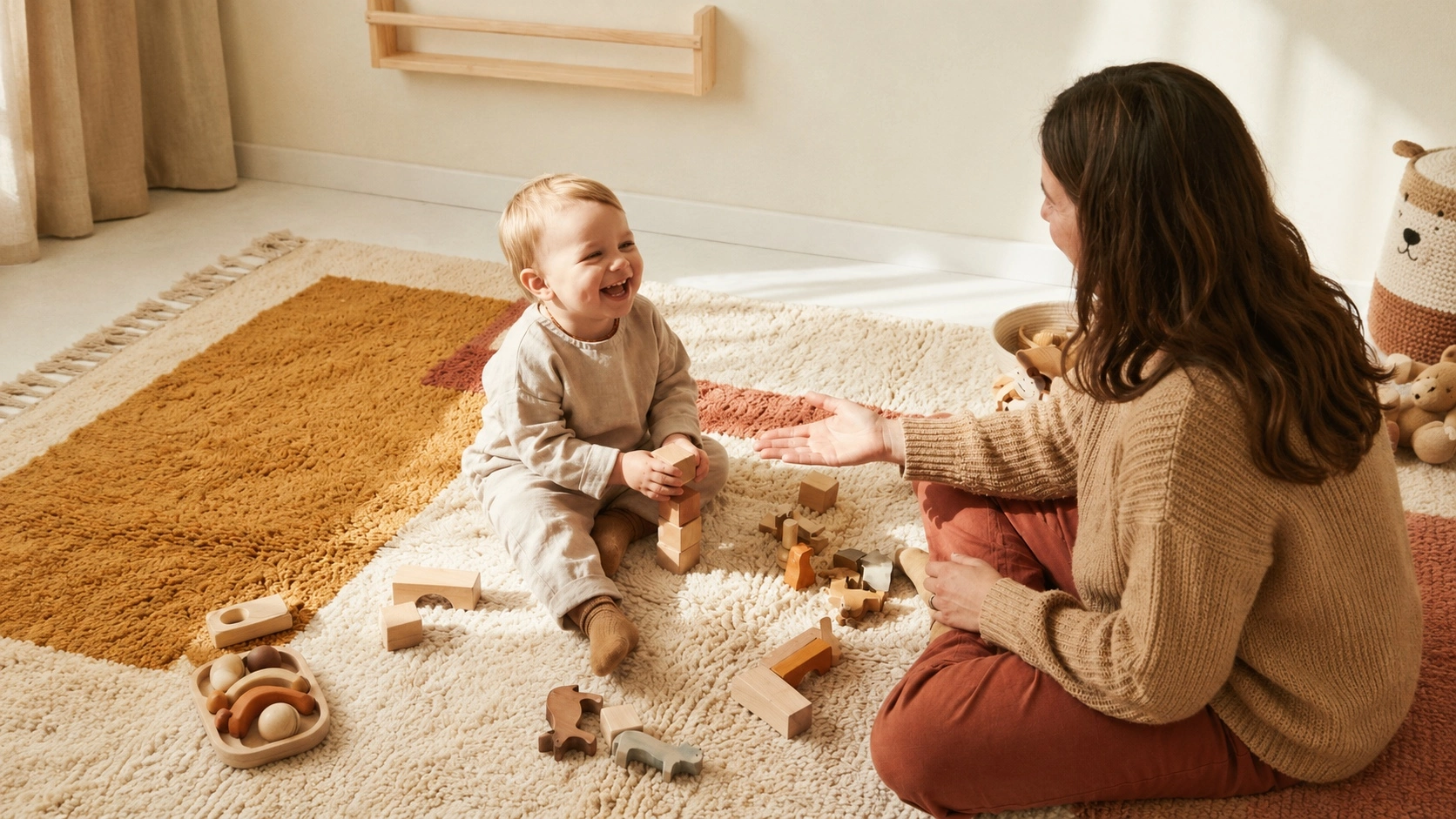
Developing emotional intelligence takes time and patience. One effective way to support this growth is through developmental toys and activities. These can teach children problem-solving skills, encourage focus, and help them manage negative emotions such as frustration and anger.
Throughout this journey, it’s essential to offer constant support. Calmly explain the nature of their emotions and behavior, emphasizing that all feelings are valid, and with practice, they can learn to manage them effectively.