How Parental Stress Shapes Child Development?

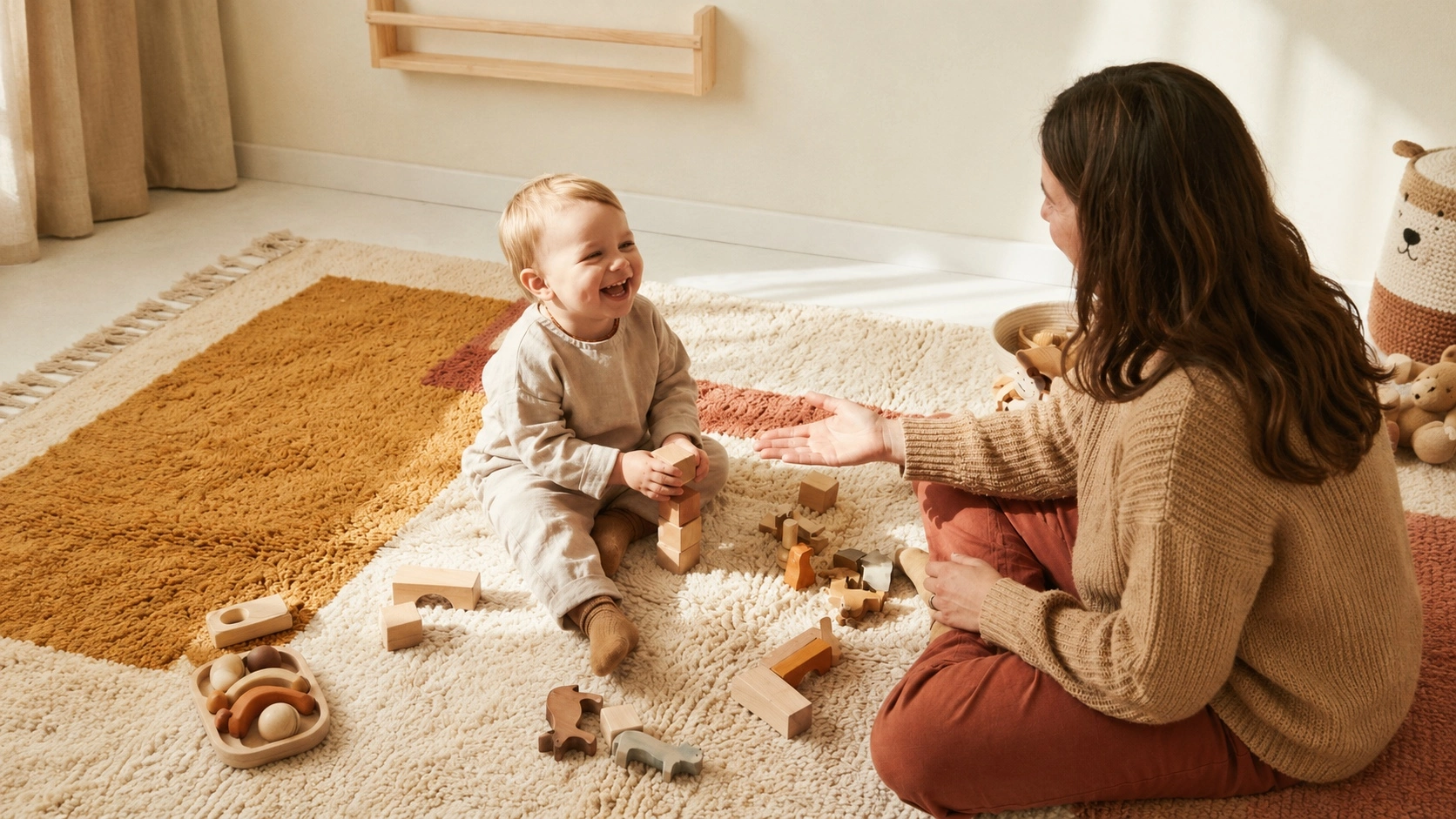
Within family dynamics, a child's behavior frequently serves as a mirror, reflecting both the subtle and overt stressors that pervade an adult's daily existence. Because children view reality entirely through the lens of their caregivers, they gauge novel situations or latent threats by closely observing parental reactions. Consequently, a parent's capacity to preserve their emotional equilibrium during crises directly shapes the stability of the child's developing nervous system and their long-term adaptive faculties.
When an adult grapples with chronic burnout or acute irritability, their body releases stress hormones that manifest through non-verbal cues—such as shifted body language, altered vocal tones, or tense facial expressions—even in the absence of overt verbal aggression. Driven by highly receptive mirror neurons, children instantly decode these micro-signals, subconsciously absorbing and internalizing their caregiver's anxiety.
To disrupt this domestic chain reaction of stress, several practical psychological strategies can be seamlessly woven into daily routines:
- The Principle of the Emotional Pause - During a child's acute behavioral protest or full-blown tantrum, a parent’s reflexive impulse is often to counter with shouting or punitive measures. However, intentionally introducing a brief pause before responding allows the caregiver to engage their prefrontal cortex. This shifts the reaction from a place of raw irritation to a rational, controlled intervention;
- Verbalization Over Suppression - Suppressing or denying one's own negative emotions is a direct path to psychosomatic depletion. Rather than masking exhaustion, it is far more constructive to articulate feelings of fatigue in an age-appropriate manner. This transparency not only preserves the parent's well-being but also models healthy boundaries for the child.
Boundary Setting as a Cornerstorne of Security
Parental burnout frequently stems from an unsustainable equilibrium of permissiveness and overprotection, where a child’s every whim is accommodated at the expense of the caregiver's personal reserves. Paradoxically, rigid yet predictable boundaries are what truly foster psychological security.
A firm, composed refusal—devoid of anger or intimidation—anchors the child’s psyche. When children understand the parameters of acceptable behavior, their underlying anxiety diminishes, which inherently curbs disruptive or maladaptive outbursts.
Resource Management and Self-Care
An emotionally depleted caregiver simply lacks the capacity to offer the tranquility and validation essential for a child's holistic development. Prioritizing personal rejuvenation—whether through physical exercise, professional fulfillment, or brief intervals of solitude—is not a luxury, but a fundamental prerequisite for sustaining a harmonious household climate.
Ultimately, the most profound and enduring parenting outcomes are realized not through the repetition of abstract rules, but through embodying those principles daily. Calmness is just as contagious as chaos, and cultivating it remains the ultimate responsibility of the adult.