White Noise for Babies: The Secret to Better Sleep and the Best Musical Toys
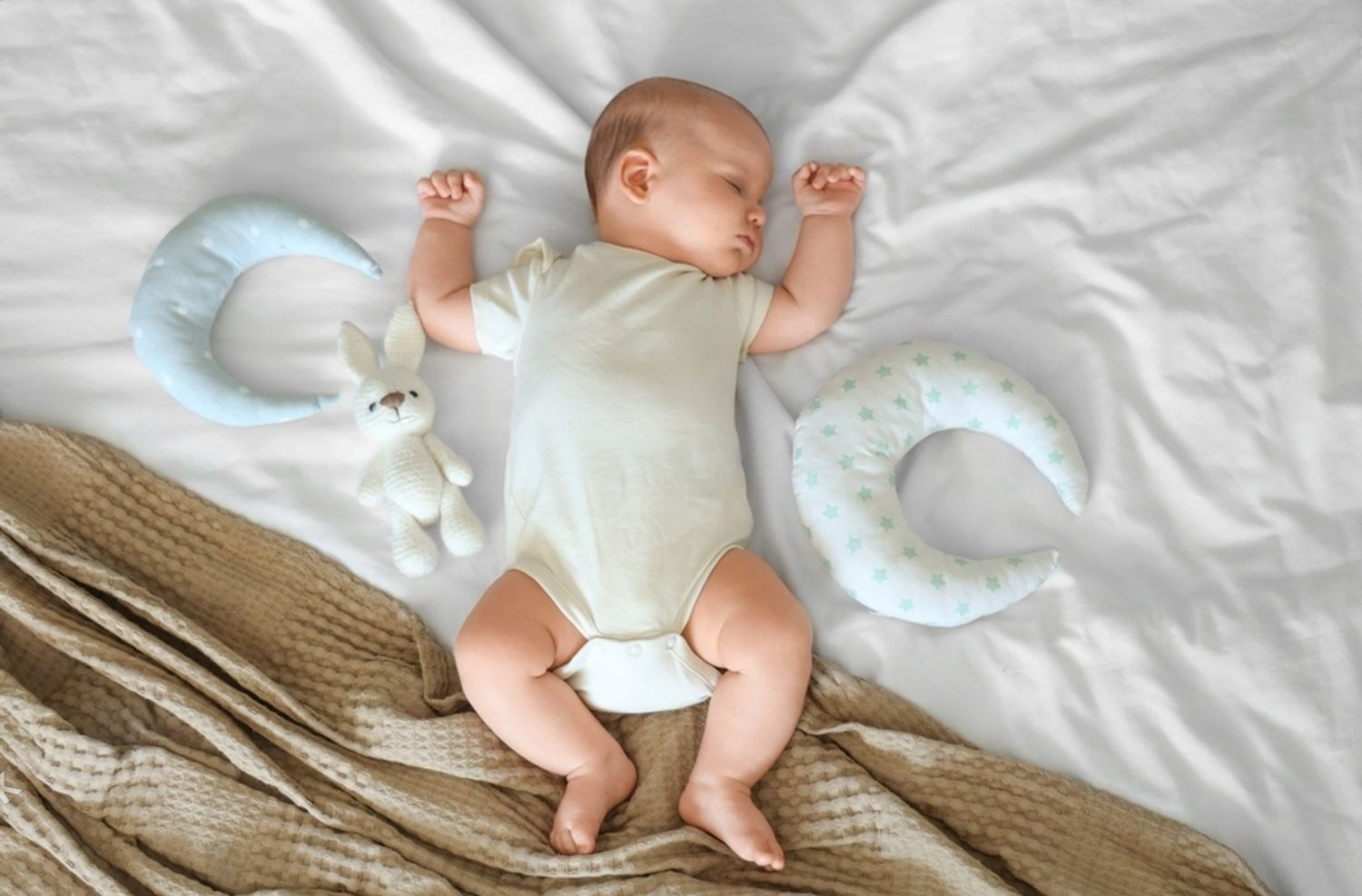
The birth of a baby is a moment of pure joy, but it also marks the beginning of a journey filled with challenges—the most prominent of which is undoubtedly healthy sleep. New parents are often puzzled by the fact that their little ones struggle to fall asleep in what seems like "perfect" silence. Yet, the moment a hairdryer or vacuum cleaner starts, or a faucet is left running, the baby settles down instantly. This seemingly paradoxical behavior has a very clear scientific explanation.
It all comes down to a phenomenon known as "White Noise." While the term may sound technical at first, once parents experience its "magic" in practice, it becomes an indispensable part of their daily routine. For infants, white noise for babies is not just background sound; it is a natural tool for adaptation that helps a newborn feel as cozy and secure as they did in the mother's womb.
In this blog, you will learn how white noise affects infant psychology and why their nervous system responds so positively; How this sound serves as a lifesaver during colic, anxiety, and sleepless nights; And most importantly, how to choose safe, certified musical toys that guarantee a peaceful and uninterrupted sleep.
What Is White Noise?
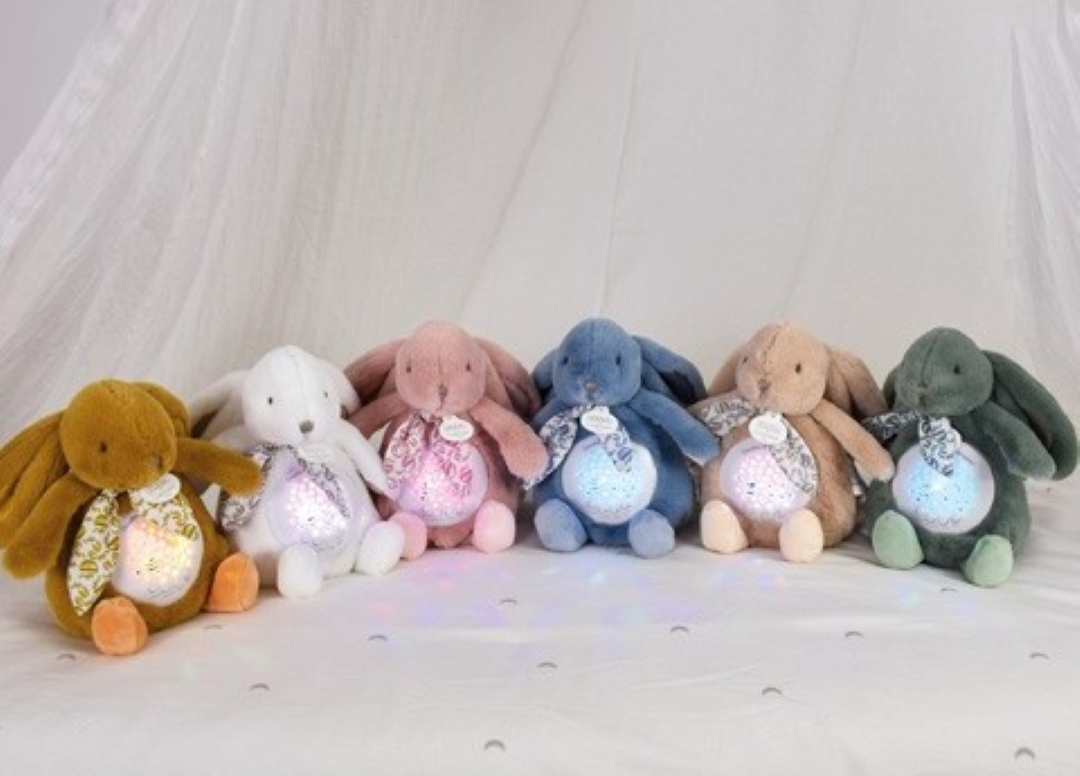
Before incorporating it into your baby's routine, it’s important to understand the physics of the process. White noise is a stable background sound where frequencies are distributed evenly. It is often compared to white light, which contains all the colors of the rainbow. To the ear, it sounds like a soft, monotonous hiss that helps the brain "tune out" external distractions.
For a baby, white noise acts as an acoustic shield. Imagine this: your home is silent, your baby has just drifted off, and suddenly—a door slams or a car honks outside. In a vacuum of silence, any sudden noise is perceived by the brain as an alarm signal. The baby gets startled, wakes up, and the long process of soothing begins all over again.
The effect of white noise lies in its ability to mask these sudden sounds. It creates a consistent acoustic floor where minor household noises simply dissolve. This is why it is considered a guarantee for quality sleep; it helps babies transition from one sleep cycle to the next without being disturbed by the environment.
Why Does White Noise Remind Babies of "Home"?
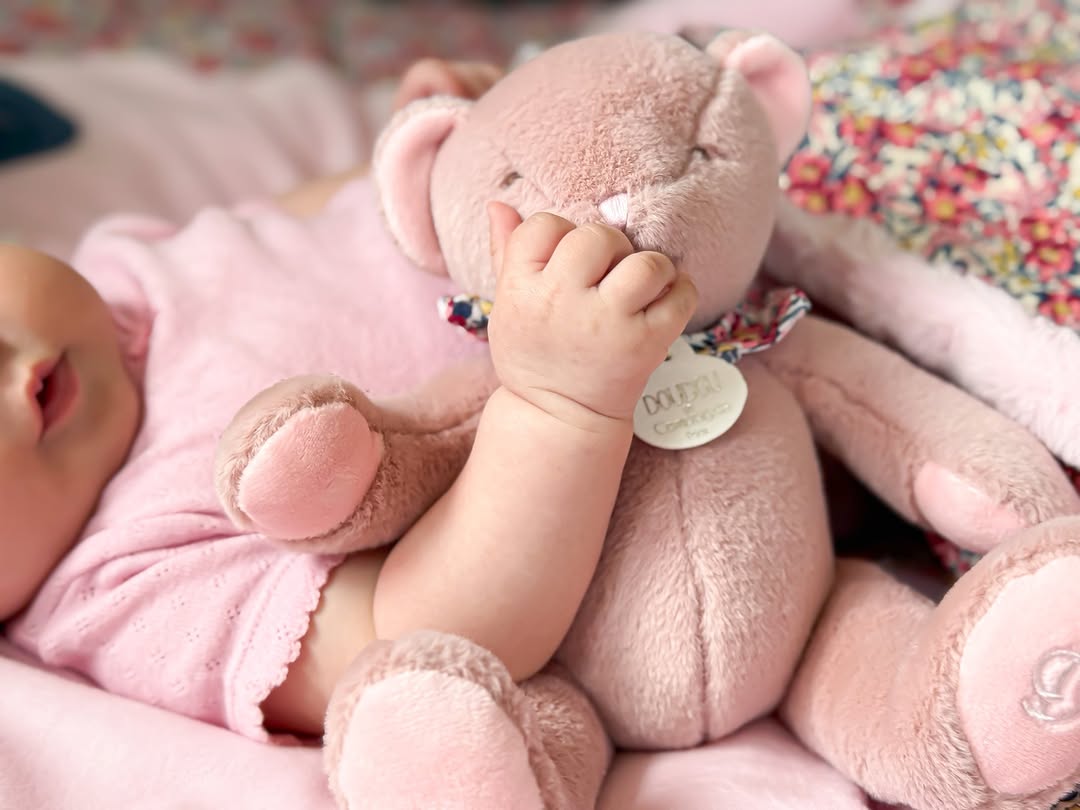
There is a popular myth that newborns need absolute silence for the best sleep. Many parents find themselves tiptoeing around the house, terrified of waking the baby. However, the scientific reality is quite different. For nine months, a baby lives in an environment where silence does not exist at all. The mother’s body is not only the safest place in the world but also a fairly noisy one.
In the womb, a baby constantly hears:
- The sound of blood flow — a rhythmic, rushing sound that is the perfect natural equivalent of white noise;
- The mother’s heartbeat — a steady thrum associated with safety, security, and love;
- Digestive sounds — continuous background sounds that never stop.
Remarkably, these sounds can reach levels of 80–90 decibels—louder than a normal conversation and comparable to a vacuum cleaner. This is why, after birth, absolute silence feels unfamiliar, foreign, and even distressing to a newborn.
Musical toys with white noise for babies is essentially a close imitation of the sounds they grew accustomed to before birth. When a baby hears these familiar frequencies, the brain receives a signal: "Everything is okay, you are home." This explains the magical moment where a crying baby settles down as soon as the white noise is turned on.

A World of Color Sounds: Pink and Brown Noise
Often, we use the term white noise to describe any steady, repetitive sound that helps a baby fall asleep. But in reality, sound is more nuanced. Science actually categorizes noise by colors, based on frequency and pitch—and each type affects the nervous system differently.
Alongside white noise, there are also pink and brown noises, both widely used in modern sleep tools.
- Pink noise contains lower frequencies than white noise, which makes it softer, warmer, and more soothing. In nature, it resembles the gentle rustle of leaves, steady rainfall, or wind. Research suggests that pink noise is often more comfortable for the human ear and may help the brain reach deeper, more restorative sleep stages;
- Brown noise is even deeper and heavier, with stronger low-frequency tones. It is often compared to the sound of ocean waves, waterfalls, or distant thunder. Brown noise is especially effective when you need to mask sharp external sounds and create a calm background environment.
Many premium baby devices and musical toys combine these sound frequencies to recreate the most natural and comforting atmosphere for sleep. Doudou et Compagnie musical toys are carefully designed with this in mind—their sound is programmed to stay gentle, never harsh, and as close as possible to natural “colored” noise.
This frequency balance supports a calmer nervous system and helps babies maintain a more stable, peaceful sleep rhythm. That’s why at LaBebe, we choose our toys with great care—because they are not simply toys, but a part of your baby’s comfort, rest, and daily well-being.
White Noise and Colic: How to Soothe Your Little One
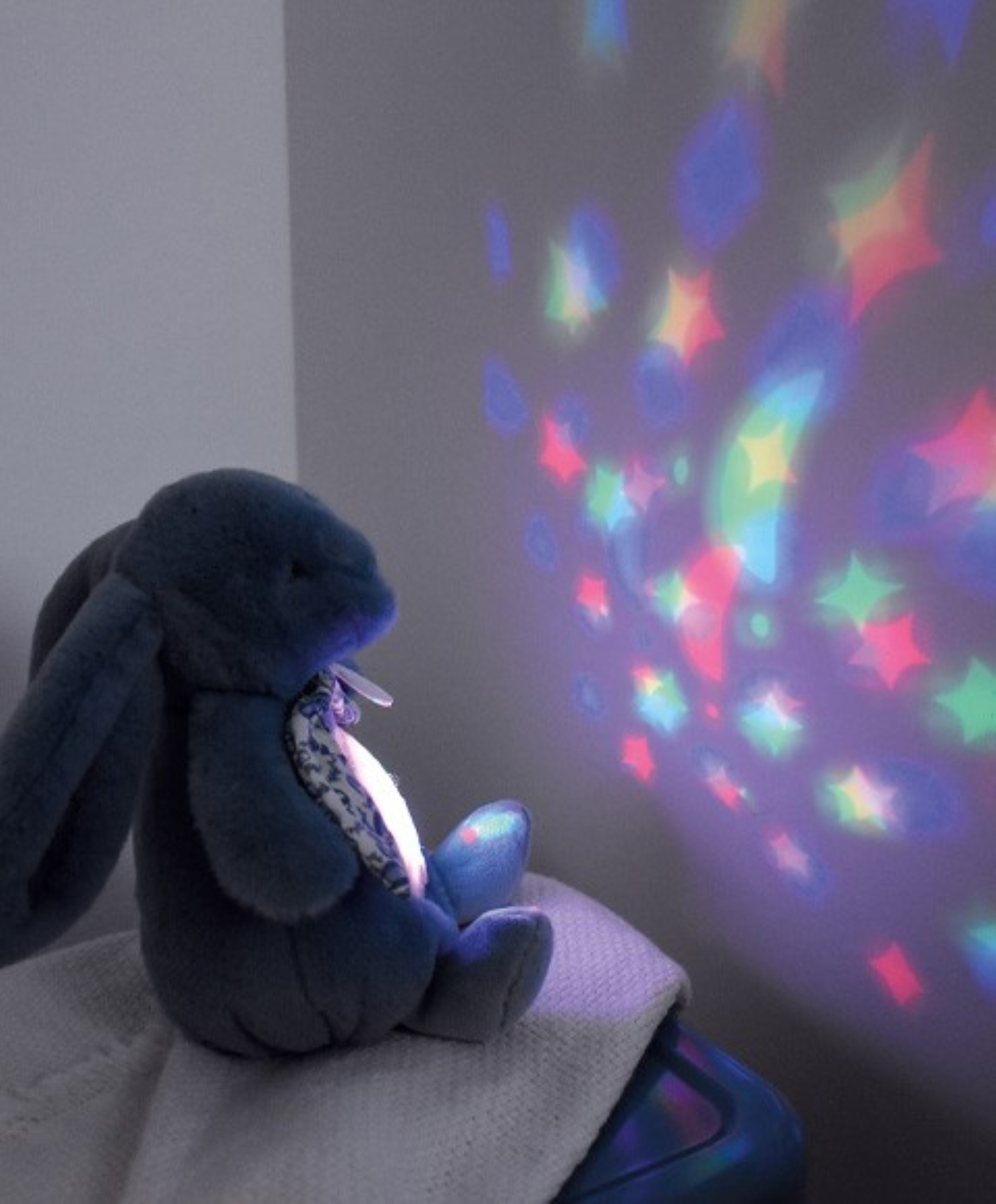
Colic is one of the most stressful periods for new parents. When a baby cries for hours, their nervous system becomes overstimulated. Studies have shown that using white noise in these moments can have a near-instant effect—the baby’s heart rate slows down within minutes, and they begin to relax.
These sounds act as a "reset button." When a newborn hears a familiar sound, their attention shifts from the distress to the audio, their breathing evens out, and tense muscles relax. It is a completely natural way to lower cortisol (the stress hormone), helping the baby overcome anxiety.
Is White Noise Addictive?
A common fear among parents is potential dependency. "Will my baby become so used to it that they can't sleep without it?"
In reality, white noise is a sleep association, not a bad habit. Just as we prefer a comfortable pillow, a baby prefers a familiar soundscape. As the child grows (around age 1 or 2) and their nervous system becomes more resilient, infant sleep no longer requires this extra buffer, and the need fades naturally. You can gradually lower the volume of your musical nightlight toy until it is eventually phased out.
Why You Shouldn't Use a Phone for White Noise
Today, many parents use YouTube or apps, but pediatricians warn against these for several reasons:
- Radiation: Placing a smartphone near a baby's crib is not recommended due to electromagnetic radiation;
- Volume Control: Phone speakers often emit high-frequency sounds that can be harsh on a baby’s delicate hearing;
- Unexpected Ads: Imagine your baby finally drifting off, only for a loud advertisement to blast through the phone. This is a major stressor for a child.
Experts recommend using dedicated devices that do not exceed 50–60 decibels. This is exactly why the musical mobiles and nightlights at Labebe Boutique are designed in strict accordance with European safety standards.
Discover Doudou et Compagnie – Musical Nightlight Toys
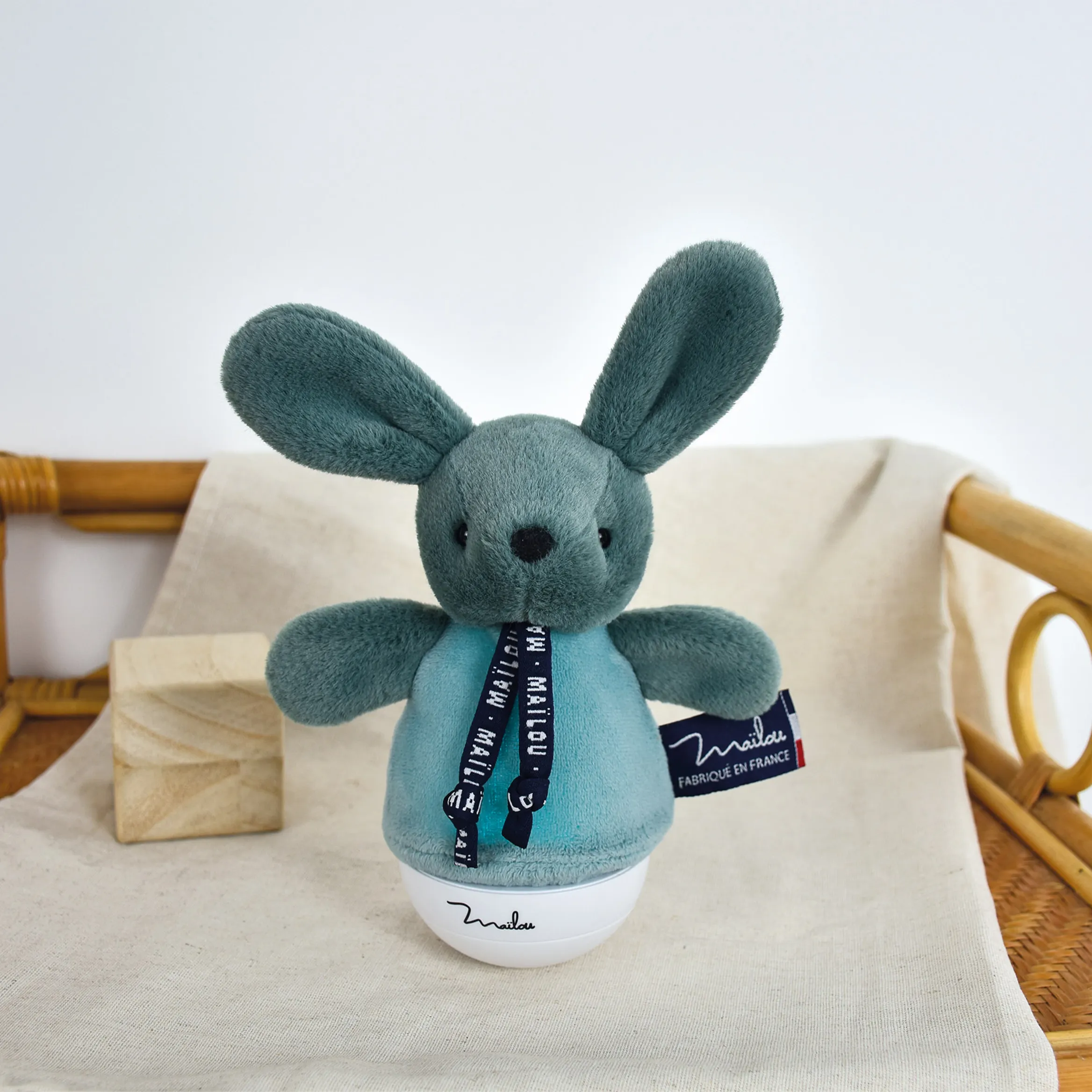
The French brand Doudou et Compagnie has spent decades creating products that blend premium quality with functionality. Their musical nightlight toys are much more than just beautiful nursery decor.
Why do parents choose this brand?
- Eco-friendly Materials: The fabrics are hypoallergenic and soft, ideal for a newborn’s sensitive skin;
- Multifunctionality: The toy plays a gentle melody, acts as a nightlight, and is a best friend for cuddling;
- Smart Design: They are easy to clean and maintain their shape after intensive use.
For instance, the Les Rikikis Hedgehog musical plush has a specially selected melody that mimics natural soothing sounds and complies with CE safety standards.
How to Use White Noise Correctly
To ensure the best and safest results, follow these "Golden Rules" of sleep hygiene:
- Distance: Place the baby musical toy at least 1.5–2 meters away from the crib;
- Timer: It is best if the device has a timer that automatically shuts off after 20–30 minutes, once the baby is in a deep sleep;
- Consistency: Use the same sound for every nap. This becomes a signal to the brain that it is time to sleep.
White noise is a scientifically proven and effective way to regulate infant sleep, helping babies adapt to the world and giving parents a precious opportunity to rest.
If you are looking for the perfect gift or want to create the most comforting environment for your baby, visit Labebe Boutique. You will find the finest baby sleep accessories to make your nights calmer and more enjoyable.