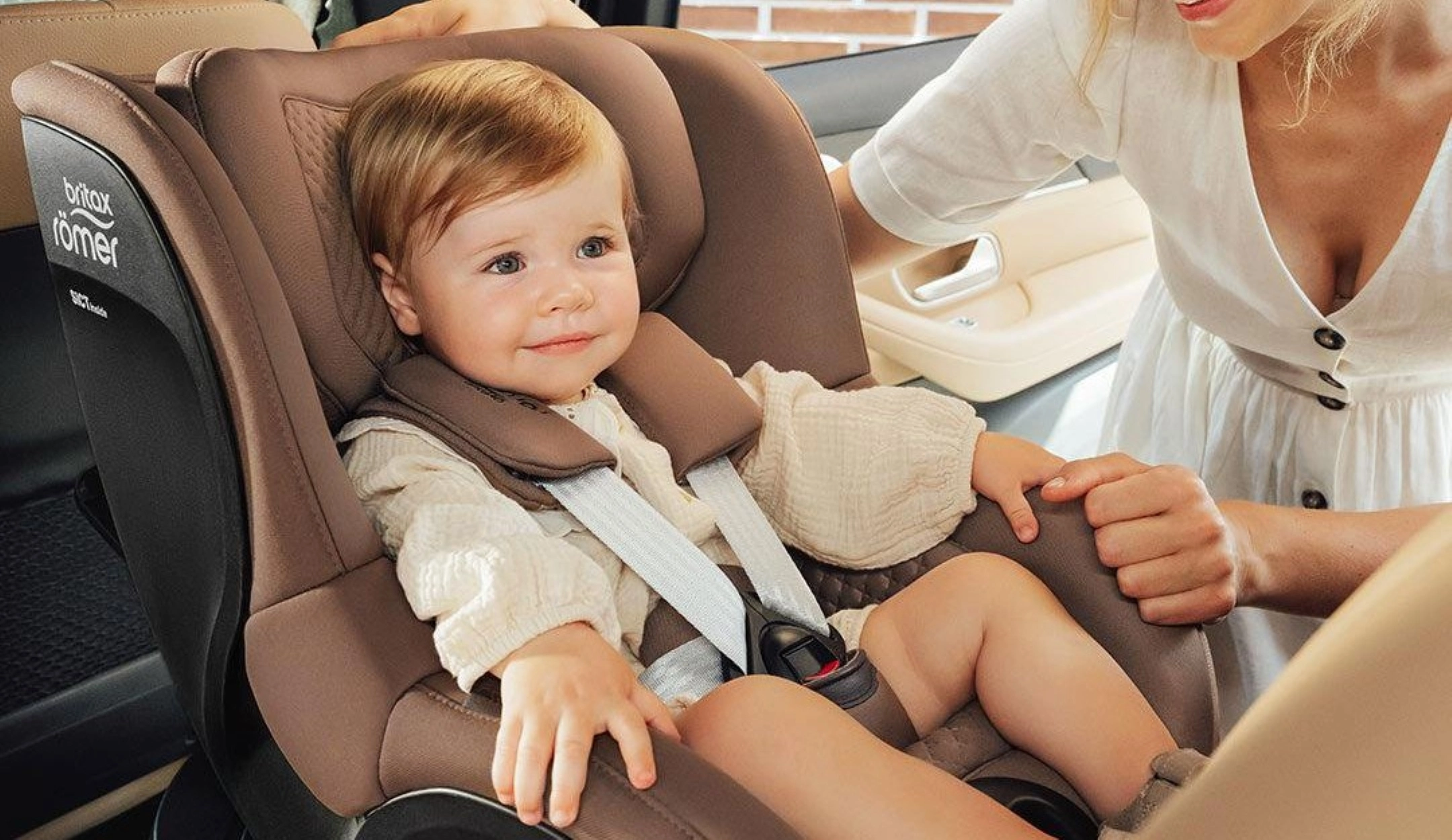
Car Seat for Newborns: Safe Travel from Day One
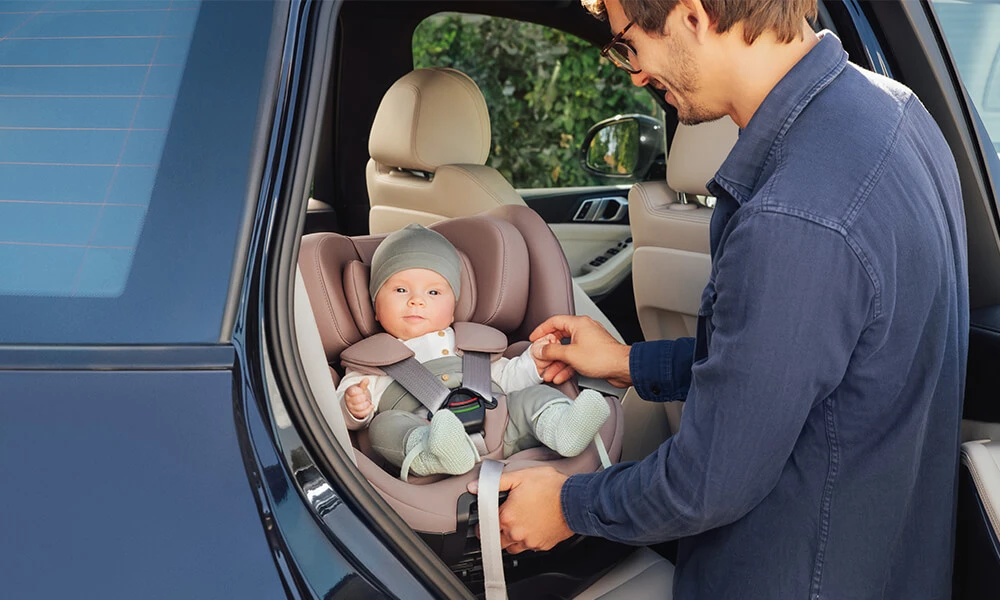
The birth of a child is one of the most meaningful and emotionally intense moments in a parent’s life. The choices made in the very first days after birth play a decisive role in a baby’s safety, comfort, and overall well-being. Among these early decisions, safe newborn transportation is especially critical—particularly when it comes to the baby’s first car journey home from the maternity hospital.
Modern pediatrics, international road safety organizations, and automotive safety experts are unanimous on one point: a newborn may be transported by car only in a certified baby car seat. This is not an optional precaution or a personal preference—it is a fundamental safety requirement. No alternative solution, including an adult’s arms, blankets, or improvised supports, can protect a baby during sudden braking or a traffic accident.
The first trip home marks the beginning of a long-term approach to safe travel with a child. From this moment forward, parents assume responsibility for proper positioning in the vehicle, protection of the neck and spine, and the reduction of potential risks on the road. A properly selected high-quality car seat holds the newborn in an anatomically correct position, significantly lowers the risk of injury, and creates a controlled, protective environment from the very first days of life.
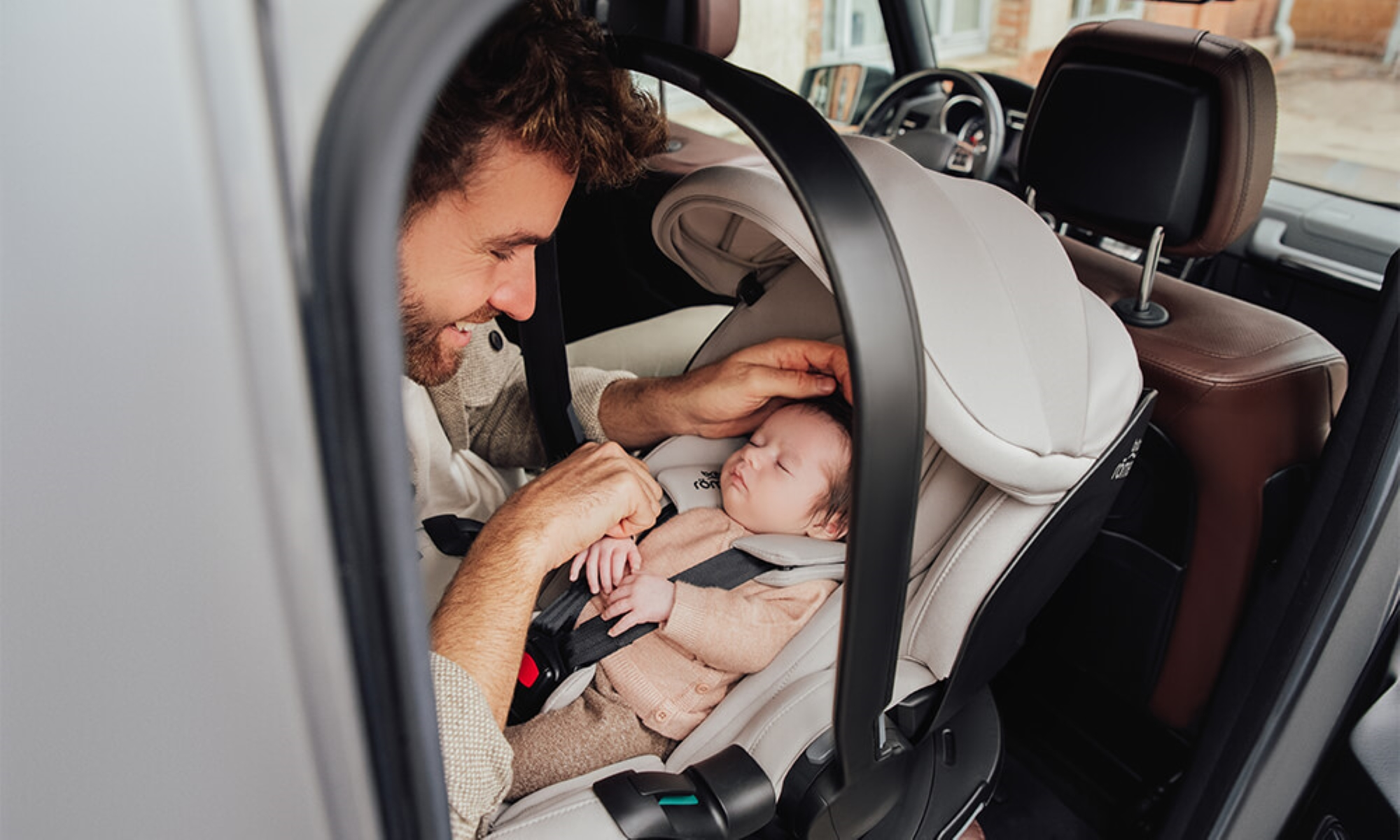
Safe Transportation from the Maternity Hospital: The Medical Perspective
At Hera Clinic newborn care begins in the very first minutes after birth. As an internationally accredited medical institution, the clinic operates in accordance with globally recognized protocols, ensuring a high standard of care focused on the health and safety of both the baby and the parents—inside the hospital and beyond discharge.
Newborn safety does not end when leaving the maternity ward. It becomes especially critical during the first car journey home. For this reason, neonatologists consistently emphasize that babies should be transported from the maternity hospital exclusively in a certified infant car seat, carefully matched to the newborn’s weight, height, and physiological characteristics.
Premium car seats designed specifically for newborns provide stable, anatomically correct positioning, support the neck and spine, and significantly reduce the risk of injury during emergency braking or road accidents. As a result, safe newborn transportation is considered an essential element of modern neonatal care and a recognized international medical standard.

Why Traveling Without a Car Seat Is Dangerous
One of the most common misconceptions among parents is the belief that an adult can safely hold a baby in their arms during any driving situation. In reality, during a collision or sudden stop, physical forces come into play that no human strength can overcome.
When a vehicle stops abruptly, the car decelerates instantly, while the baby’s body continues moving forward due to inertia. In those critical moments, the force acting on the infant increases dramatically, requiring far more strength than an adult can provide. As a result, holding a baby offers no real protection and places excessive stress on the head, neck, and spine—greatly increasing the risk of severe injury.
Even with the greatest care, human hands cannot function as a safety system. Blankets, placing a baby on a lap, or additional cushions do not offer the protection created by a properly engineered child car seat. Car seats for babies are specifically designed to absorb and distribute crash energy while keeping the baby securely positioned in a stable, anatomically correct posture.
According to the World Health Organization, the use of certified child car seats reduces the risk of serious injury in newborns by up to 90%. This data clearly confirms that safe infant transportation by car is possible only with a car seat—and has no alternative.

European Experience and Legal Standards for Child Car Seats
In most European countries, transporting a newborn in a car without a child car seat is considered a violation of the law. Regulations clearly require that children be transported in baby car seats appropriate for their age, height, and weight from the first days of life. Failure to comply results in fines and, in some cases, legal consequences.
European regulations are not based on formality but on decades of research and real-world data. According to the European Transport Safety Council (ETSC), in countries where car seat use is mandatory and strictly enforced, child road fatality rates have decreased by more than 50% over the past 20 years.
These figures demonstrate that a car seat for child is not a bureaucratic requirement but a proven, life-saving tool. This is why European practice treats safe newborn transportation as a standard of responsible parenting, not a matter of personal choice.
In Georgia, however, legislation does not yet mandate the use of car seats for newborns. Combined with limited public awareness, this creates a situation in which child safety often depends on individual knowledge rather than a structured system. For this reason, education, public engagement, and the dissemination of reliable safety information are especially important.
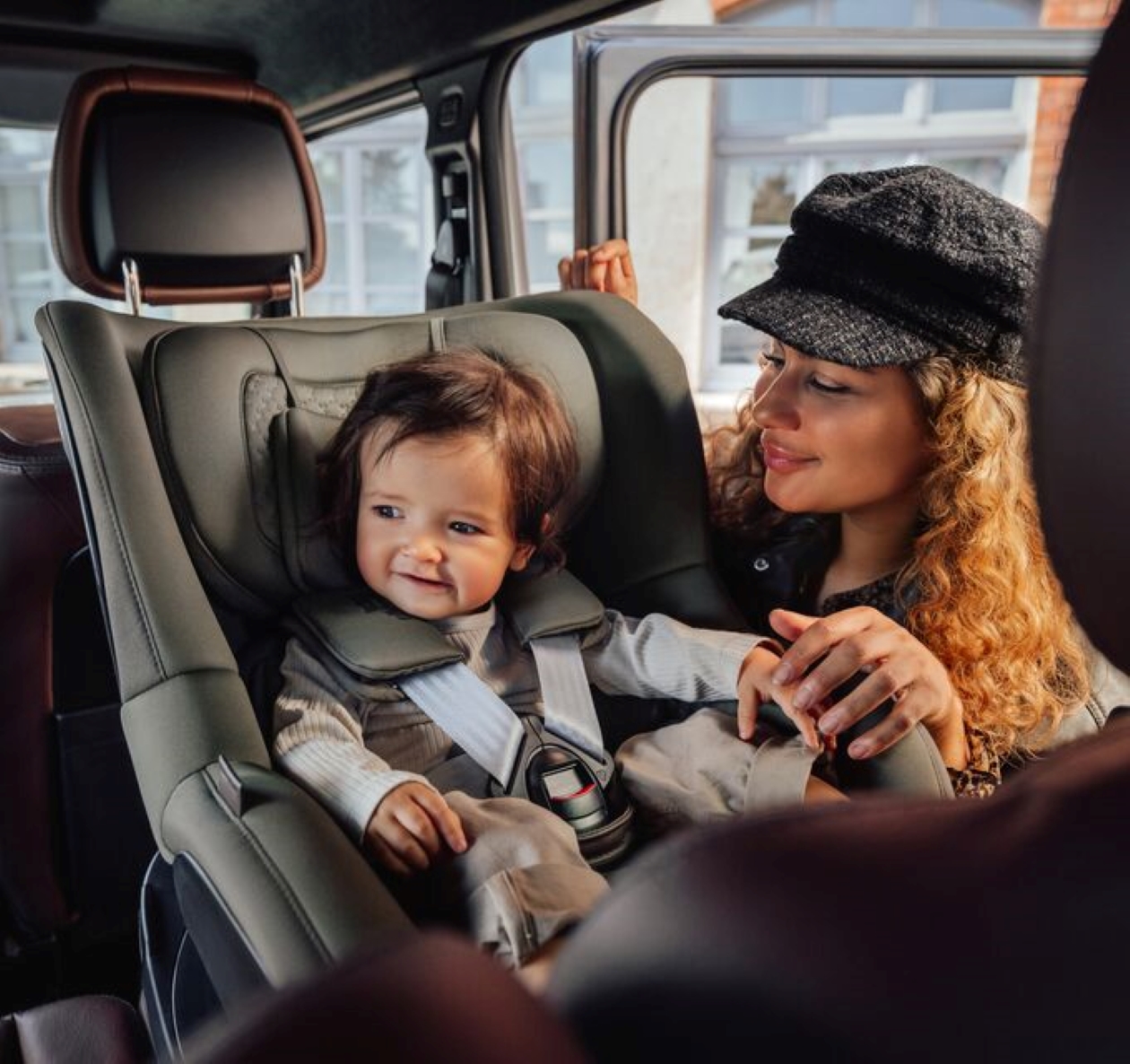
Why Investing in an Infant Car Seat Is Essential
A newborn’s body responds to motion and external forces very differently from that of an adult. In the first months of life, the baby’s musculoskeletal system is still developing, making infants particularly vulnerable during car travel. This is why transporting babies in car seats from birth is recognized as an essential part of international safety standards.
A newborn’s neck muscles are not yet fully developed, the spine is still forming, and the head represents a large proportion of total body weight. Under these conditions, even minor braking or low-impact collisions can pose serious risks. A properly fitted infant car seat secures the baby’s body in a protective position that minimizes stress on critical areas.
Car seats for infant designed for children weighing 0–13 kg are created with these physiological factors in mind. They feature anatomically shaped inserts to support natural positioning, side-impact protection systems to reduce injury risk, and energy-absorbing structures that redirect impact forces away from the baby’s body.
Child Car Seat Certification: The Foundation of Safety
When choosing a car seat, appearance or price should never outweigh safety standards. Certification confirms that a car seat has undergone rigorous testing and meets international safety requirements for real-world road conditions.
In Europe, two main standards apply: ECE R44/04 and UN R129 (i-Size). These regulations require crash simulations, side-impact tests, evaluation of child positioning, and material safety and toxicity assessments. Their purpose is to ensure reliability, durability, and child protection at the highest level.
All child car seats available at Labebe Boutique meet European certification standards and undergo independent testing. This means parents are investing not merely in a product, but in a comprehensive safety system designed to protect their child on every journey.
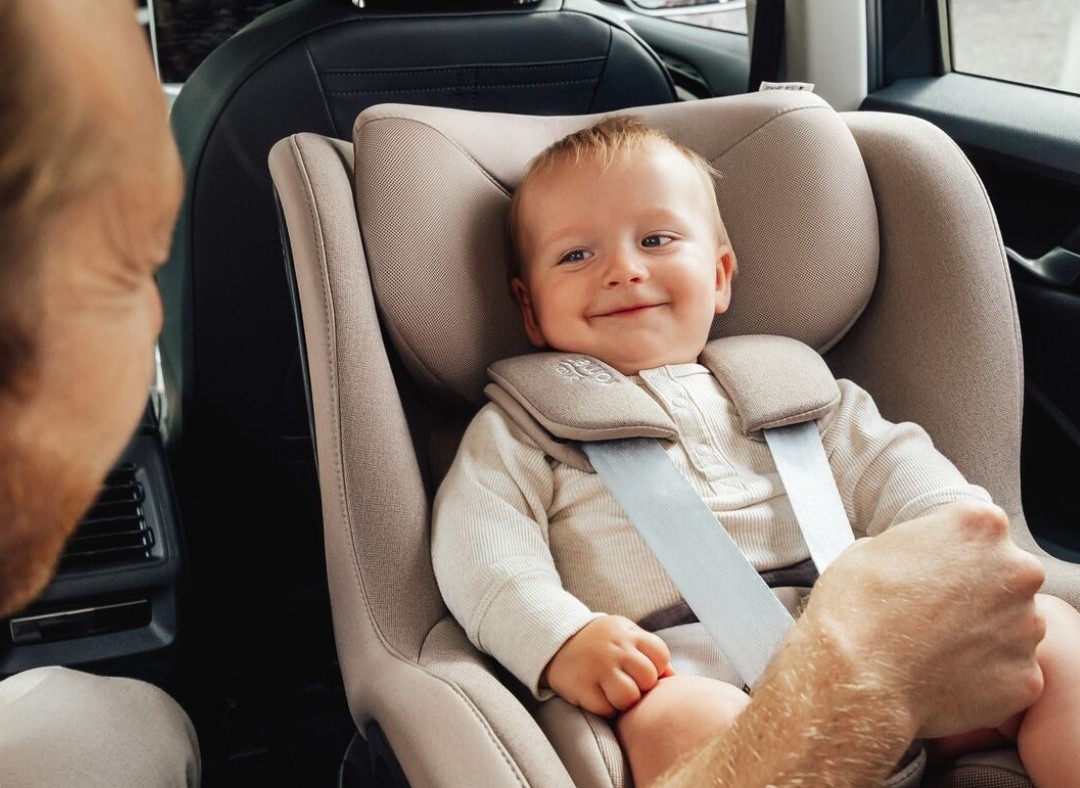
Premium Child Car Seats at Labebe Boutique
Labebe Boutique offers a carefully curated selection of premium child car seats, combining advanced safety technologies, refined ergonomics, and globally trusted brands. The collection includes manufacturers that have shaped modern child safety standards for years.
At Labebe Boutique, you will find:
- Britax Römer — a global leader in child safety, consistently earning top scores in independent ADAC crash tests;
- Peg Perego — a blend of Italian design excellence and refined ergonomics for everyday comfort;
- UPPAbaby — innovative engineering and thoughtful details tailored to modern family lifestyles;
- Foppapedretti — reliable European craftsmanship balancing safety, practicality, and functionality;
- Inglesina — infant car seats designed with a focus on anatomy, stability, and comfort;
- Doona — a revolutionary mobility solution where an infant car seat seamlessly transforms into a stroller.
All of these brands share one core principle: maximum protection for your child at every stage of the journey.

Your Car Seat: Building a Culture of Safe Newborn Travel
Labebe Boutique collaborates with the public initiative Your Car Seat, whose mission is to educate parents and promote an informed, responsible approach to child road safety. The organization works to ensure families have access to accurate, practical information about safe infant transportation.
Together with Hera Clinic and Labebe Boutique, Your Car Seat reinforces a clear message: child safety begins with the right car seat. Traveling with a newborn in a car seat is not merely a recommendation or a personal choice—it is a fundamental safety standard that protects a child’s life. A decision made from the very first day reflects responsibility, care, and a commitment to a child’s future.