Baby Strollers at Labebe: History, Evolution, and Premium Choices
It is hard to imagine modern parenthood without a baby stroller. It is present in a child’s earliest years, woven into daily walks, short trips, and the pace of city life. Yet the stroller did not always look or function the way it does today. Its evolution tells a broader story — one not only about design, but about how parental priorities, safety awareness, and lifestyles have changed over time.
In its earliest form, the stroller was far removed from practicality. It served as a marker of social status rather than a functional object. Gradually, however, it became an indispensable companion — one that supports a child’s comfort, gives parents freedom of movement, and responds to the realities of urban living. This gradual transformation shaped the strollers we know today: adaptable, safety-focused systems designed to grow alongside both the child and the family.
How the Stroller First Appeared
The idea of the child stroller originated in England in 1733. Architect William Kent designed a carriage-like structure for the Duke of Devonshire to help transport his children. At the time, the invention was more ornamental than practical and bore little resemblance to a modern stroller.
Early stroller was essentially shell-shaped baskets mounted on wheels. The strollers had no handles and could not be steered; instead, they were pulled from the front. Unsurprisingly, such constructions remained luxury items and were used almost exclusively by aristocratic families.
The Shift Toward Functionality
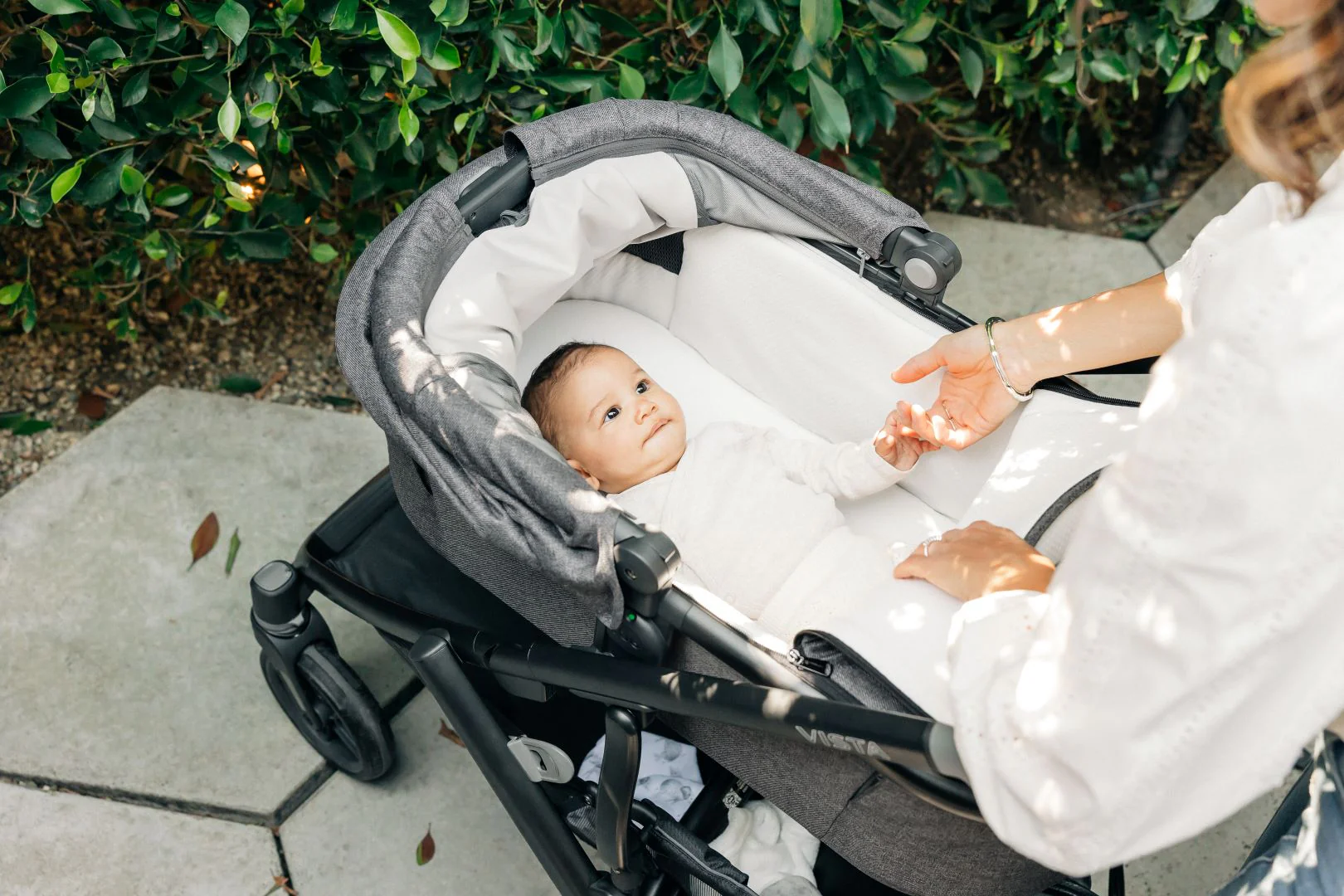
Meaningful change began toward the end of the 19th century. In 1889, William Richardson patented a design in which the bassinet was mounted on the frame facing the parent, rather than the direction of movement. This allowed constant visual contact with the child — a concept that still defines modern reversible-seat strollers.
Richardson also introduced swiveling wheels capable of full 360-degree rotation. These innovations marked a turning point, laying the technical groundwork for the strollers that would follow.
By the early 20th century, strollers began to resemble practical tools rather than ceremonial objects. Handles were added, rubber wheels replaced rigid materials, and attention shifted toward suspension and safety. At this point, the stroller firmly transitioned from a luxury item into a daily necessity.
Modern Strollers: Where Safety Meets Design
Today’s child strollers are expected to meet multiple demands at once. They must be safe, ergonomic, intuitive to use, and made from high-quality materials. Whether designed for newborns or older children, modern models are built with versatility in mind.
Suspension systems, adjustable backrests, five-point harnesses, lightweight eco-friendly textiles, and intuitive folding mechanisms are now standard features. The evolution of stroller design clearly reflects a change in priorities: child safety and everyday comfort have become non-negotiable.
A Thoughtfully Curated Selection at Labebe
At Labebe Boutique premium baby strollers are selected with a clear philosophy in mind. Only premium models are included — chosen for their construction quality, international safety certifications, and proven performance in real-world use. The assortment spans multiple categories, ensuring that families with different routines and lifestyles can find a suitable solution.
Beyond technical specifications, practical experience plays a decisive role. How a stroller handles city streets, how comfortable it remains as the child grows, and how seamlessly it fits into a parent’s daily rhythm all matter. This is why every stroller at Labebe appeals to parents who value reliability, comfort, and longevity within a single, well-designed system.
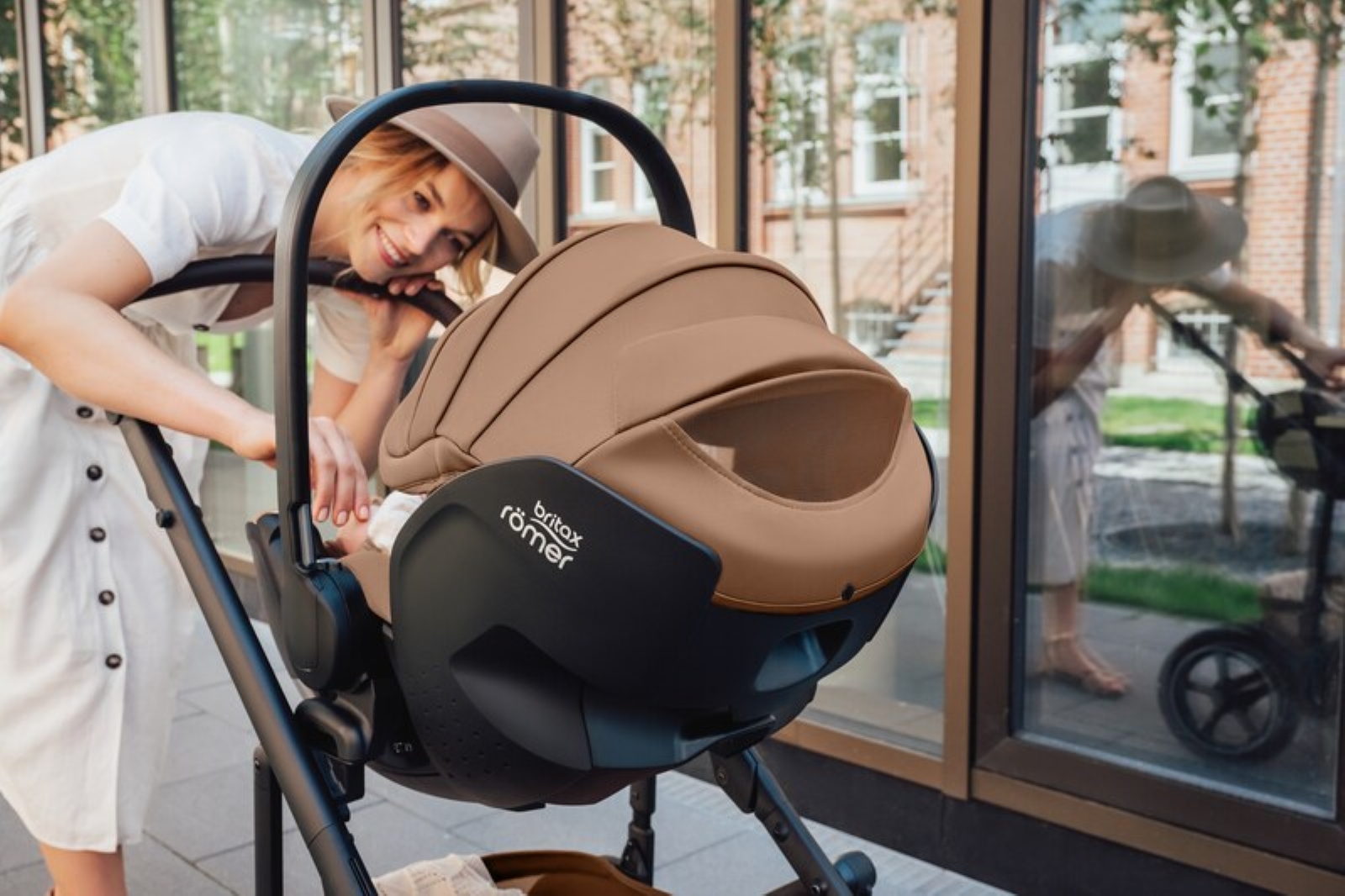
Baby modular stroller 3x1
A 3-in-1 stroller system combines a chassis, a newborn bassinet, and a car seat into one integrated structure. This approach creates continuity from the first days of a child’s life, without requiring parents to replace the core system as needs evolve.
These 3x1 strollers support a smooth, uninterrupted flow between home and car. Components are designed to work together intuitively, allowing transitions without unnecessary accessories or complicated adjustments.
Baby modular stroller 2x1
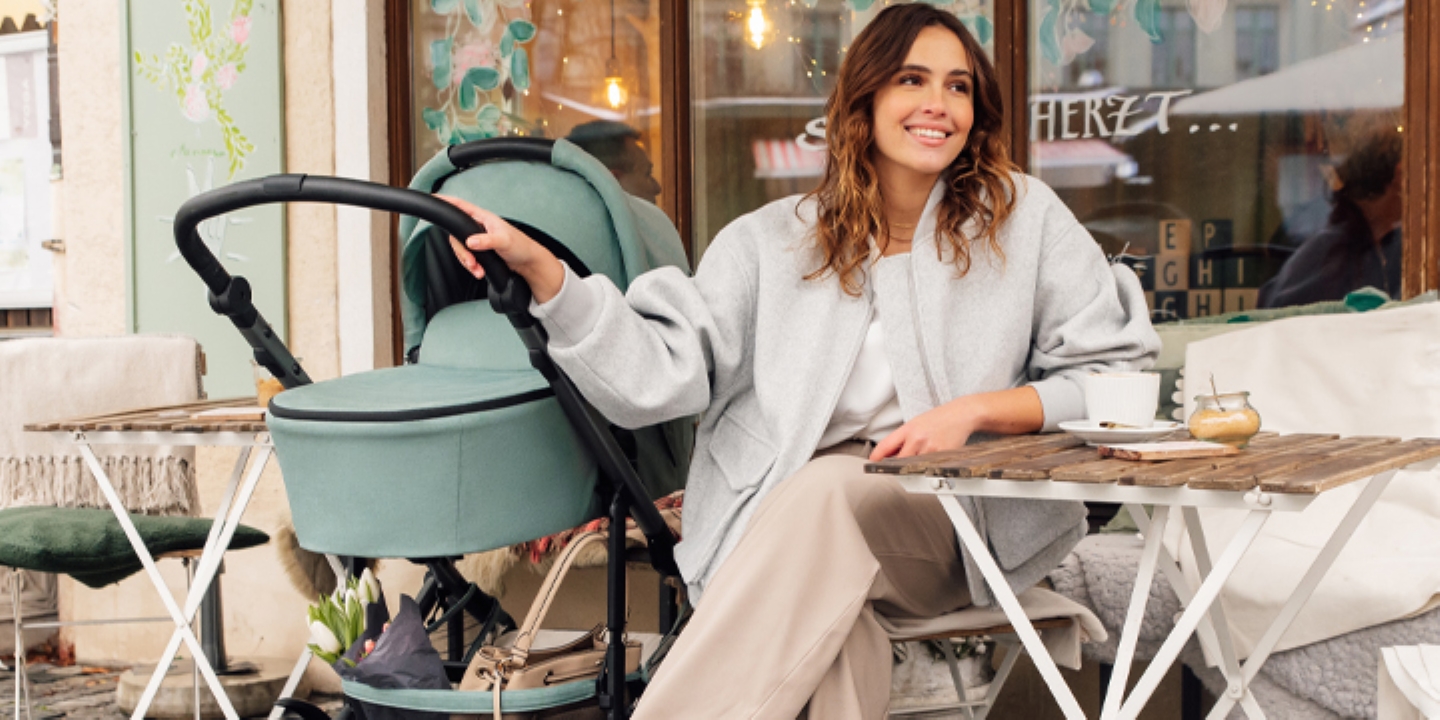
The 2-in-1 stroller format is ideal for parents who prefer clarity, mobility, and simplicity. Built around a chassis and a single interchangeable module — either a bassinet or a stroller seat — the system adapts naturally as the child grows.
Lightweight construction, strong maneuverability, and compact folding make these strollers particularly suitable for urban environments. They navigate narrow streets and elevators with ease and store efficiently in limited spaces. Reliable, straightforward mechanisms ensure they perform equally well during quick outings and daily routines where convenience matters most.
This format of convertible stroller is often chosen by parents seeking balance — a stroller that is functional without being visually or mechanically overwhelming, while still providing comfort and dependable protection for their child.
Reversible stroller
The strollers with reversible seats allow parents to change the direction of the seat, positioning the child either facing the parent or the surrounding environment. This flexibility plays a key role during early development, when visual contact contributes to emotional security.
Facing the parent creates a familiar, reassuring setting. Facial expressions, voice, and eye contact help the child feel grounded, particularly during the first months when new environments can feel overwhelming.
As curiosity grows, forward-facing positioning becomes a natural next step. It encourages observation, sensory engagement, and early independence. For this reason, reversible-seat stroller are considered a long-term, adaptable choice that evolves alongside the child and the family’s needs.

Lightweight stroller
Lightweight strollers are designed for movement. Their reduced weight, compact proportions, and easy folding mechanisms make them well suited for travel, city life, and everyday use.
They are especially valuable when plans change quickly. Folding them takes seconds, and their compact size allows for effortless use on public transport, in car trunks, or while traveling.
Despite their streamlined build, modern lightweight strollers maintain stability and comfort. Adjustable seating positions, reliable safety systems, and quality materials ensure they remain practical and supportive throughout daily use.
Stroller for twins
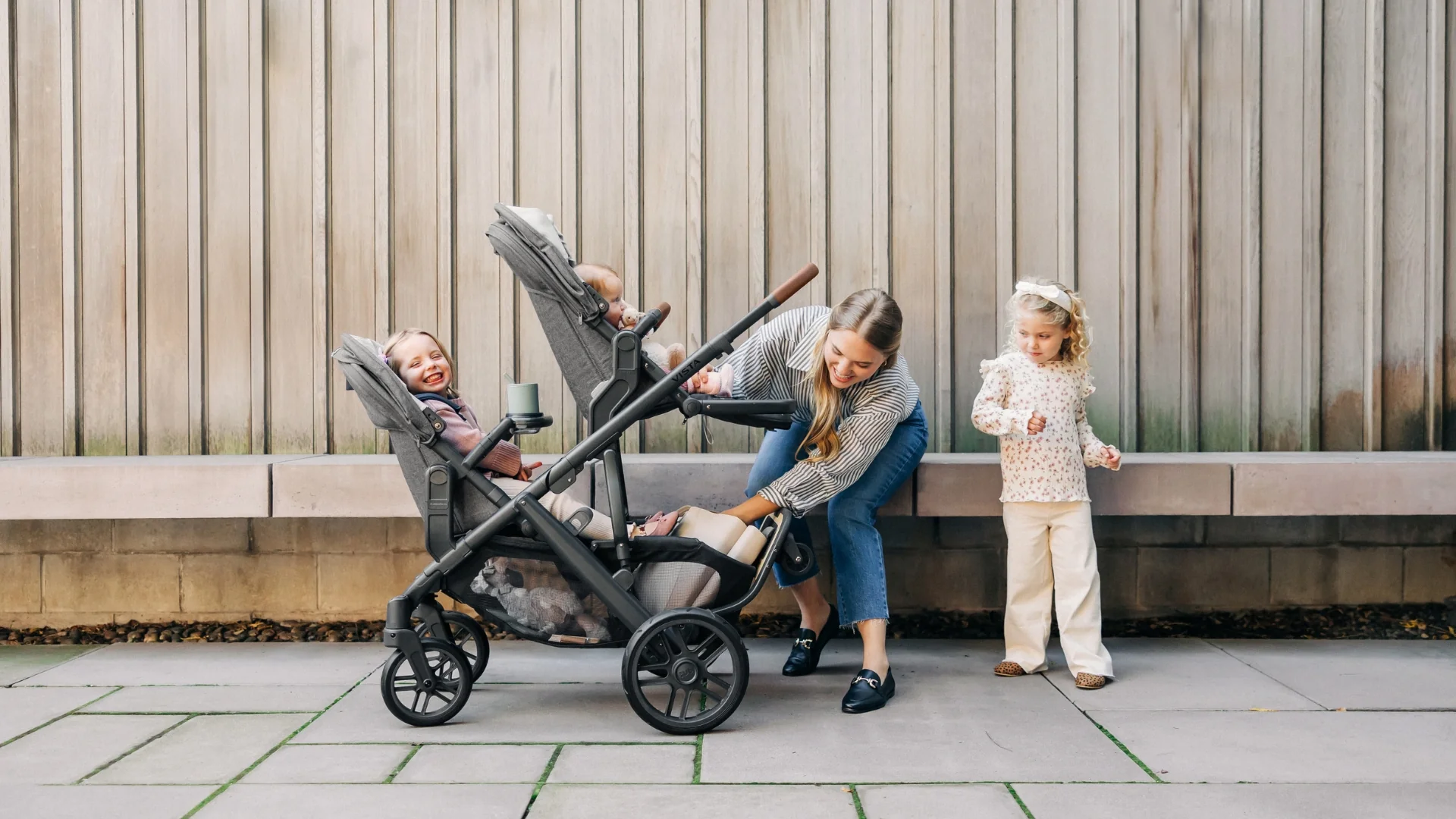
Twin strollers are engineered to accommodate two children simultaneously while preserving balance, stability, and ease of control. Their design prioritizes even weight distribution and responsive handling, allowing parents to navigate confidently.
Each child is given sufficient personal space, whether seated or lying down. Strong frames and carefully calculated geometry ensure the stroller remains manageable, even when fully loaded.
For families with twins, such double strollers become an essential organizational tool. They reduce physical strain, simplify daily routines, and make shared outings more manageable.
Stroller accessories
Accessories extend a stroller’s functionality and enhance everyday comfort. Rain covers, sun and insect protection, bags, cup holders, and other additions allow the stroller to adapt to different weather conditions and daily scenarios.
These accessories for strollers create a protective environment for the child while allowing families to maintain their routine regardless of external factors. They also bring structure and organization to daily outings, keeping essentials within reach and reducing unnecessary stress.

Premium Brands at Labebe Boutique
Labebe Boutique works exclusively with internationally recognized brands for whom safety, engineering precision, and functional design are foundational values. The selection includes Peg Perego, known for its Italian balance of practicality and refined aesthetics, and Britax Römer, widely regarded as a benchmark in European safety innovation.
Alongside them are UPPAbaby, designed for the rhythm of modern urban families; Inglesina, with its understated blend of classic design and ergonomic thinking; and Foppapedretti, where functionality meets visual restraint. Together, these brands define Labebe’s approach — a space where choosing a stroller is guided by experience, reliability, and real family needs, not compromise.