Why Cotton Swabs are Unsafe for Babies
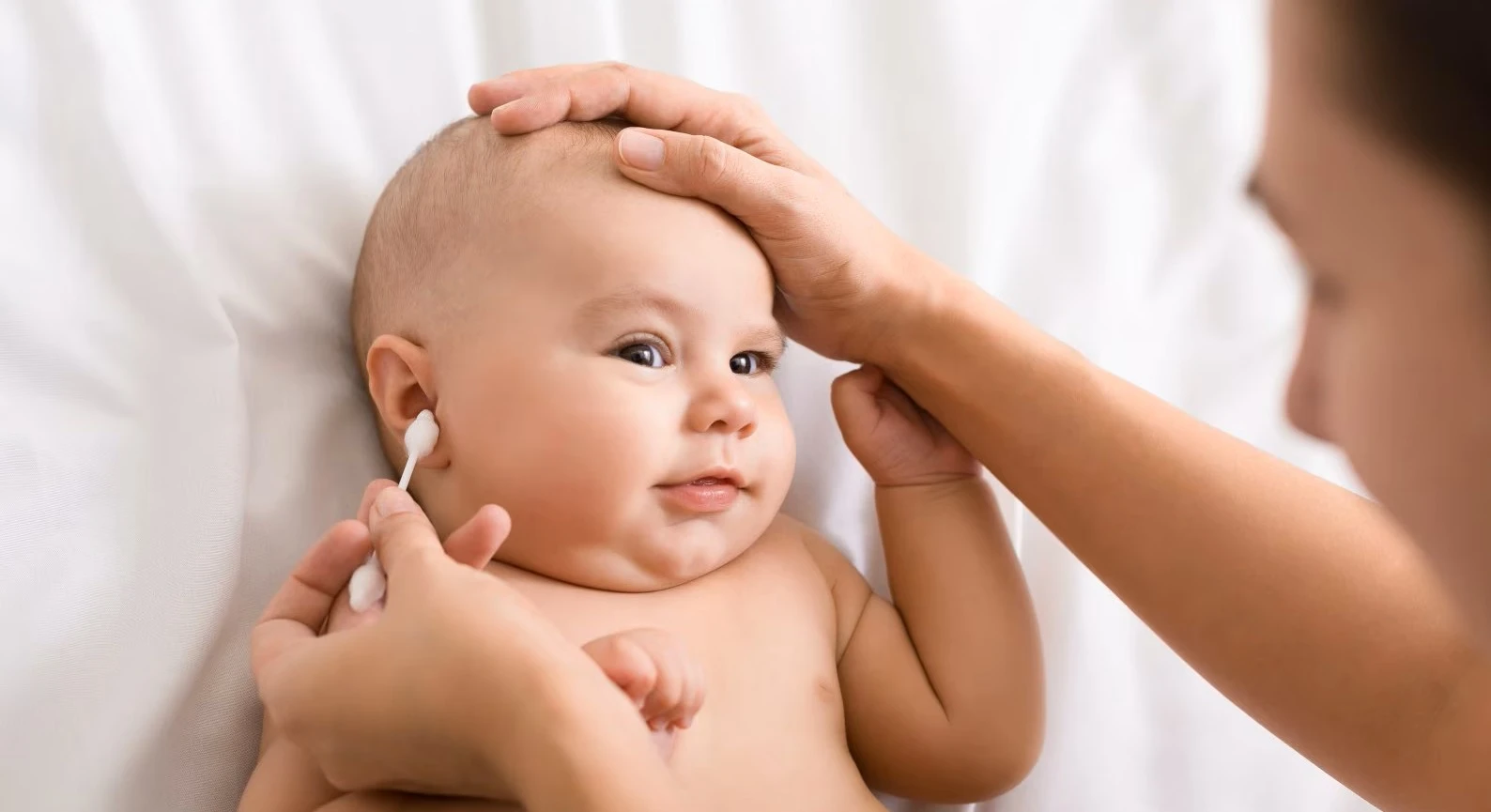
A child’s well-being is often rooted in seemingly marginal details; however, there are instances where overzealous care proves counterproductive, if not outright detrimental. Ear hygiene is a prime example. While many parents habitually regard cotton swabs as indispensable tools, medical professionals emphasize that this practice is a pervasive and hazardous misconception.
According to otolaryngologist Elene Ramishvili, complications arising from the use of cotton swabs are among the most frequent catalysts for consultations with ENT specialists. Manually probing the ear canal is strongly discouraged. Rather than extracting cerumen (earwax), swabs tend to displace it, impelling it deeper into the canal. This often results in acute discomfort, a sensation of congestion, and transient hearing impairment.
The Mechanism of Self-Cleaning
The human ear canal is an elegantly designed, self-regulating system. Its epithelium possesses a unique migratory property, gradually shifting from the interior outward. This "conveyor belt" effect is further facilitated by the mechanical action of the jaw—activities such as chewing, speaking, and swallowing generate micro-vibrations that naturally propel excess wax toward the auricle. This physiological process is entirely autonomous and requires no external assistance.
The introduction of a cotton swab disrupts this biological harmony, leading to a "compaction effect." Instead of being expelled, the wax is compressed against the tympanic membrane (eardrum). Over time, this accumulated mass hardens into a dense plug that cannot be safely retrieved at home. Amateur attempts to remove such impactions are frequently painful and carry a significant risk of traumatic injury.
The lining of the ear canal is exceptionally delicate and hypersensitive. Even the most cautious use of a swab can inflict microscopic abrasions on the skin. These invisible lacerations serve as ideal breeding grounds for pathogens, potentially culminating in otitis externa—an inflammatory condition characterized in children by debilitating pain, pruritus (itching), and general malaise.
Furthermore, compacted cerumen acts as a physical barrier to sound waves. As a result, a child’s auditory acuity may diminish, leading them to frequently seek clarification or complain of a "clogged" sensation. While parents often view these as alarming symptoms of underlying disease, the etiology is frequently rooted in improper hygiene practices.
It is vital to recognize that earwax is not a contaminant to be eradicated, but a sophisticated biological shield. It serves to acidify and moisturize the canal, preventing desiccation while simultaneously trapping dust, pollutants, and microbes. Eradicating this substance leaves the ear vulnerable to irritation and opportunistic infections.
Aquatic Protection
While water can cause existing wax to expand and trigger discomfort, excessive measures are rarely necessary.
- During Routine Bathing: Unless a child has a history of a perforated eardrum or ear surgery, there is no clinical need to plug the ears with cotton. Simply ensuring that high-pressure water streams are not directed into the canal is sufficient;
- Swimming and Athletics: For children prone to recurrent external infections, the use of custom silicone earplugs or a snug-fitting swimming cap is advisable;
- Post-Aquatic Care: Encourage water to drain naturally by having the child tilt their head to the side. The external ear may be blotted with a soft towel, but the use of hair dryers is strictly contraindicated due to the risk of thermal injury and excessive drying.
Best Practices for Hygiene
Clinical recommendations suggest that aural care should be strictly confined to the visible, external portion of the ear.
Recommended Actions:
- Cleanse only the external auricle (the outer ear);
- Utilize a soft, damp cloth or a cotton pad for surface cleaning;
- Consult a specialist immediately if the child experiences persistent itching or pain.
Actions to Avoid:
- Inserting any objects—specifically cotton swabs—into the ear canal;
- Utilizing foreign or sharp instruments for cleaning;
- Administering ear drops without a specific medical prescription.
When to Consult a Specialist
A professional evaluation is imperative if the following symptoms emerge:
- Persistent pain or intense, localized itching;
- Observed hearing loss or delayed auditory response;
- Unusual discharge or a foul odor emanating from the canal;
- The visibility of a dark, dense mass at the canal entrance.
Should a cerumen impaction occur, its extraction must be performed exclusively by a healthcare professional. The procedure is typically brief and painless, providing instantaneous relief from discomfort.
In the realm of pediatric ear care, the principle of clinical non-interference is paramount. By eschewing cotton swabs and focusing solely on external hygiene, parents can safeguard their child’s auditory health and prevent avoidable complications.