How Dangerous Are New Year’s Fireworks For Children?
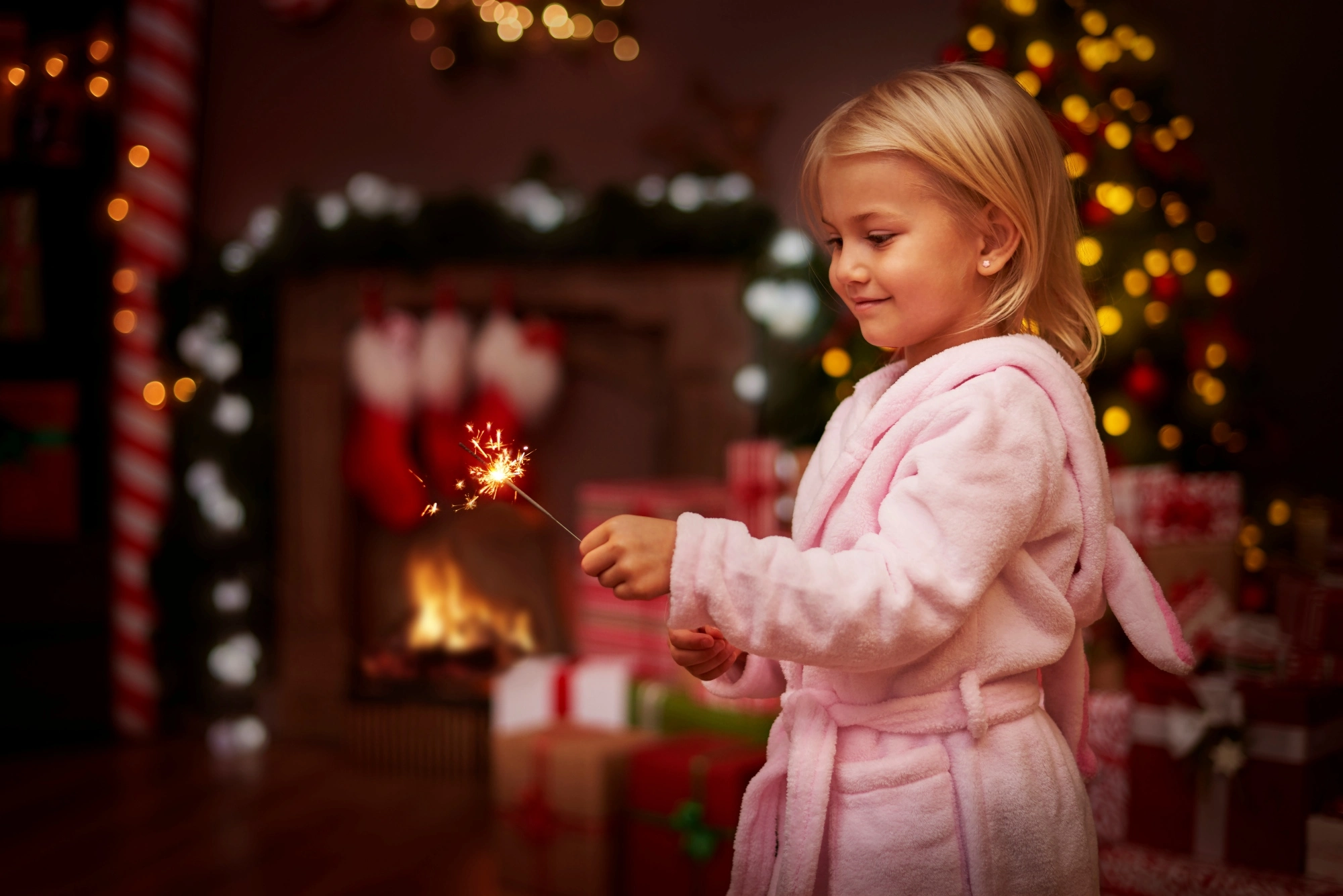
New Year’s celebrations are commonly associated with joy, noise, and spectacular visual displays. Yet fireworks—often regarded as a harmless festive tradition—carry serious risks for public health, child safety, and the environment. These concerns are emphasized by Nano Shvangiradze, a pediatrician and emergency care specialist for children and adolescents, who draws attention to the dangers linked to holiday noise and explosive effects.
Hidden risks in everyday settings
According to the specialist, danger does not always present itself in an obvious way. A person may be at home, within a familiar and seemingly secure environment, without anticipating any threat. Nevertheless, a firework can unexpectedly enter a living space—for example, through a window—and cause severe injury. Such incidents are particularly alarming when children are involved, as their developing bodies and nervous systems are far more susceptible to sudden acoustic shocks and physical trauma.
Expired fireworks and the danger of uncontrolled detonation
The safety of fireworks is closely tied to their quality and shelf life. Expired pyrotechnic products are inherently unstable and carry a heightened risk of spontaneous detonation. This dramatically increases the likelihood of serious injury. Medical practice has documented numerous cases in which fireworks exploded in users’ hands, resulting in life-threatening trauma or irreversible health damage that permanently alters quality of life.
Air pollution and long-term health consequences
Following large-scale firework displays, urban areas are often left with a sharp, lingering odor—an indicator of air pollution. This environmental exposure is especially harmful to vulnerable populations, including individuals with chronic illnesses, people with asthma or other respiratory conditions, and infants and children, for whom clean air is essential. From a medical standpoint, polluted air significantly raises the risk of respiratory complications, allergic reactions, and nervous system overload.
Effects on animals and natural ecosystems
The impact of New Year’s fireworks extends well beyond human health. Sudden explosions and loud noise cause intense stress in both domestic and wild animals, disrupt birds’ natural orientation, and frequently lead to injury or death. At the same time, the likelihood of fires increases, and natural ecosystems suffer damage—outcomes that conflict with the principles of responsible, environmentally conscious behavior.
How children respond to loud noise
Although some children may perceive fireworks as exciting or entertaining, specialists note that for the majority, loud detonations provoke fear, anxiety, and emotional overload. This is especially true for infants and children with heightened sensory sensitivity, for whom unexpected noise represents a significant stress factor.
Medical professionals are united in their recommendation: decisions should be guided not by momentary excitement, but by consideration for people, animals, and the environment. Festive joy does not require dangerous effects. Thoughtfully designed lighting, family traditions, and calm, child-friendly activities can create a meaningful celebration—one that is safe, responsible, and genuinely enriching for everyone involved.