Why Glass Straws Are Not Advisable for Children Under Three – Pediatrician Advice
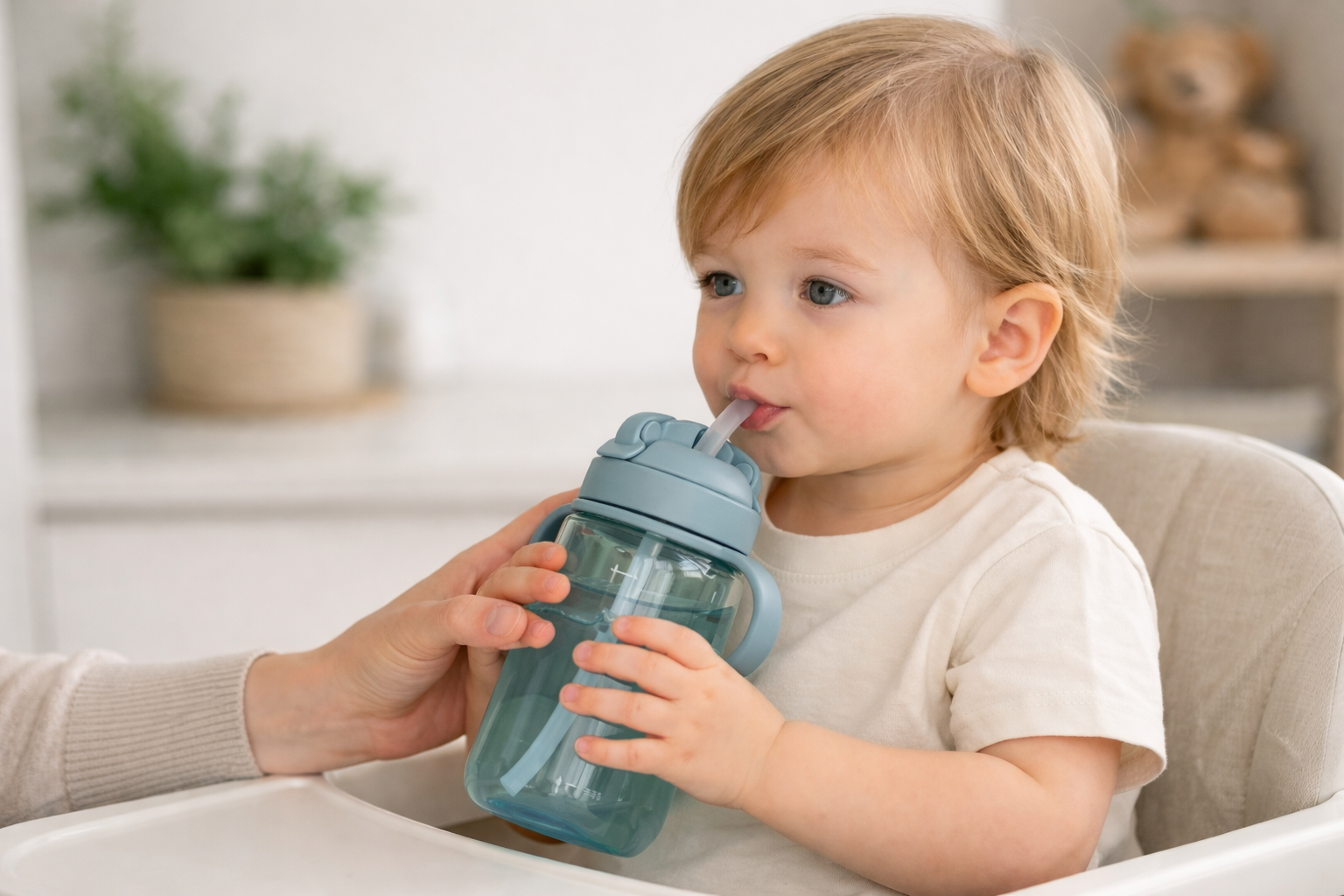
When selecting everyday items for their children, parents naturally prioritize safety, comfort, and age-appropriateness. Straws, however, are one of those accessories where a misjudgment can have real consequences, since a child holds them in their mouth while often moving or playing—conditions that increase the risk of accidental injury.
In an interview with Labebe, pediatrician Nano Shvangiradze outlines the key considerations parents should keep in mind when choosing straws and explains why some “eco-friendly” options may actually pose a risk.
Glass Is a Safe Material—But Not for Young Children
Glass is widely regarded as an ideal choice: eco-friendly, free from chemical emissions, and resistant to odor retention. Yet when it comes to straws, the material alone is not the defining factor—how the product is used is equally, if not more, important.
According to Dr. Shvangiradze, glass straws are not suitable for children under three years of age. At this stage, children lack sufficient motor control and are unable to reliably assess danger. Consequently, even a minor fall or sudden movement can result in injury—and such incidents have been reported.
After the age of three, a child may begin to understand the fragility of glass and handle a straw more cautiously. However, the doctor stresses that even then, glass straws are not an optimal choice for everyday use, as the risk of injury remains.
Plastic in Children’s Tableware
The common belief that plastic is inherently unsafe for children is partially accurate, but overly simplistic. The safety of plastic products depends heavily on the specific material used. While some plastics can be harmful, there are modern, safe alternatives—often designed to resemble plastic visually but made from safer compounds.
Dr. Shvangiradze explains that many feeding accessories on the market are made from silicone or specially formulated BPA-free materials that may look like plastic but are safe for children.
These products:
- Do not release harmful chemicals;
- Are resistant to temperature changes;
- Do not degrade or pose a risk of injury.
In other words, appearance alone does not determine safety. The critical factors are the product’s composition and certification.
Certification: The Primary Criterion
The pediatrician emphasizes that choosing children’s tableware should be grounded in evidence-based standards rather than aesthetics. Any item intended for a child must be certified and compliant with safety regulations.
A certified product:
- Undergoes laboratory testing;
- Is free from toxic substances;
- Is designed with the child’s age and developmental needs in mind.
What to Consider When Choosing a Straw
To ensure a safe choice, parents should evaluate:
- The child’s age and motor development;
- The material’s durability and how it behaves if dropped;
- Potential risk of injury;
- Certifications and the manufacturer’s reputation.
Choosing children’s tableware is not a matter of fashion or marketing. The decisive factors are age, material, and expert guidance. As Dr. Shvangiradze notes, safety must remain the top priority—even when a product appears “eco-friendly” or “healthy."
At Labebe we follow this principle by selecting premium, certified products so parents can make confident choices without compromise.