When Can You Take Your Newborn Outside for the First Time?
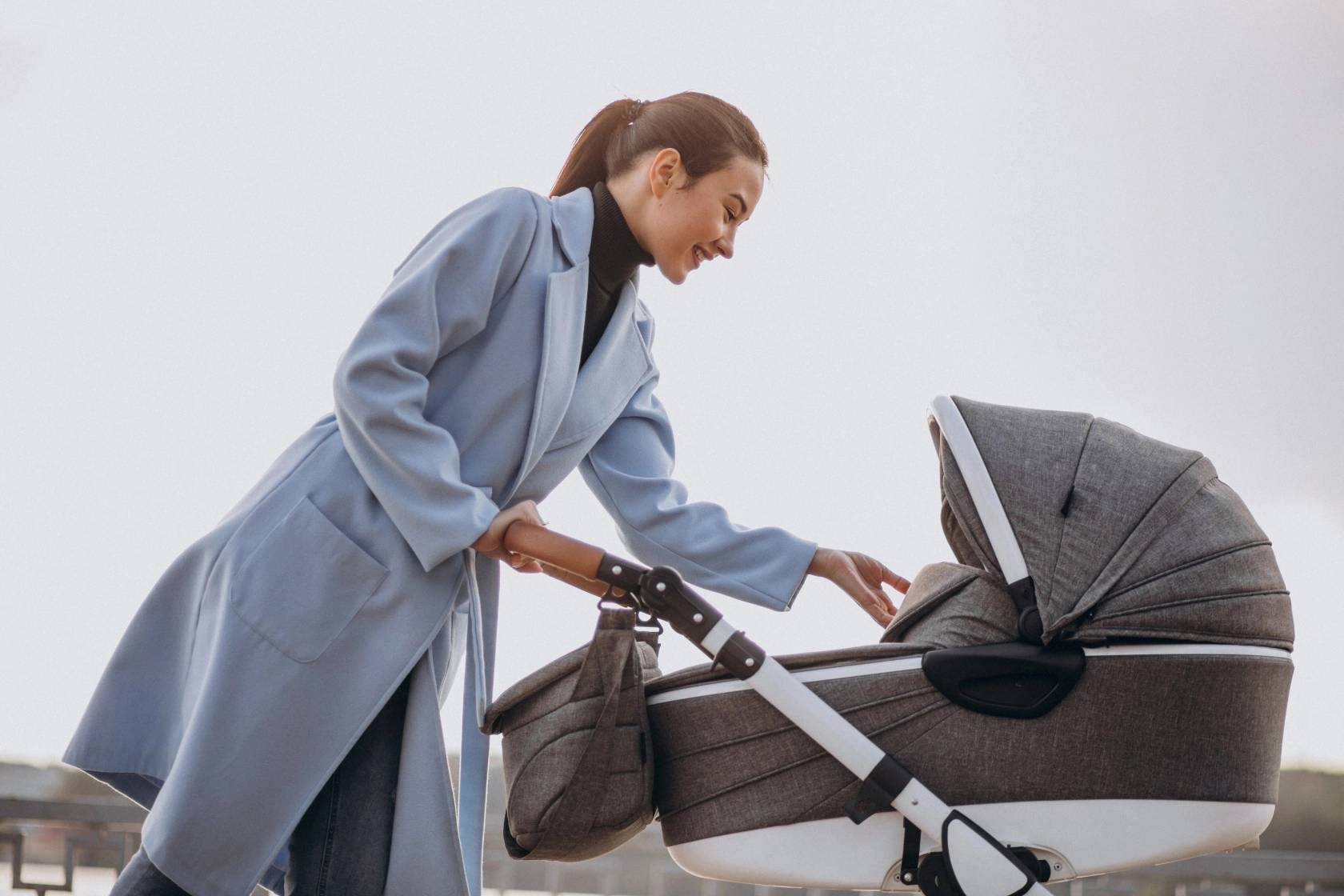
Caring for a newborn often means navigating uncertainty, anxiety, and a flood of conflicting advice. One of the most persistent beliefs is that babies should not be taken outside during the first 40 days of life. This idea has been passed down for generations and is still treated as a rule in many families. Yet modern pediatrics makes it clear: there is no medical reason to avoid outdoor walks during this period.
When parents think about taking their baby outside for the first time, practical questions naturally come up. How long should the walk be? What conditions are safe? How should the baby be prepared? At this point, accurate information and experience-based guidance matter far more than outdated assumptions.
Pediatrician Sofiko Parulava explains that the restriction on outdoor walks during the first 40 days is a myth. When approached thoughtfully, regular walks support a newborn’s comfort, adaptation, and overall well-being.
Why do newborns benefit from outdoor walks?
From the first days of life, a baby is adjusting to the surrounding world. Spending time outside helps this transition happen in a calm and natural way.
Outdoor walks help:
- Support sensory development through new sounds and natural light;
- Improve oxygen intake and breathing;
- Assist the immune system in adapting to the environment;
- Promote deeper, longer, and more restful sleep.
Pediatric experience shows that babies who go outside regularly tend to fall asleep more easily in a stroller and sleep more peacefully.
When and how to start walking with a newborn
A newborn can be taken outside from the first days of life, as long as the process is gradual.
A practical approach usually looks like this:
- Begin with 10–15 minutes;
- Slowly increase the duration over the following days;
- Eventually reach one to two hours, and in some cases up to three.
The ideal length of a walk depends on the baby’s response, weather conditions, and the parents’ comfort.
How to prepare for a walk
Before going outside, it’s important that the baby feels comfortable and calm. A walk should not become a source of stress.
- The baby should be fed;
- Basic hygiene needs should be taken care of;
- Clothing should match the weather;
- The baby should not be irritable or uncomfortable.
A baby can also be taken outside after a bath, provided the temperature and conditions are appropriate.
What to bring for longer walks
If you plan to stay outside for more than an hour, it helps to be prepared.
Take along:
- Hygiene essentials;
- Food appropriate for the baby’s age;
- A blanket or extra layer in case the weather changes.
Being prepared allows parents to relax and makes the walk more enjoyable.
Why babies often sleep better in a stroller
Many parents notice that their baby sleeps especially well in a stroller, and there are simple reasons for this.
- Fresh air supports better oxygenation;
- Gentle movement has a calming effect;
- Steady background sounds help babies relax.
As a result, stroller naps are often longer and more restorative, which benefits both the baby and the parents.
Taking a newborn outside is not something to fear. With a thoughtful, gradual approach and attention to the baby’s needs, outdoor walks can become a natural and beneficial part of daily life. Modern pediatrics encourages parents to move beyond outdated myths and trust calm, evidence-based care from the very beginning.