Home Safety for Kids - How to Build a Child-Friendly Environment

When a little one enters the home, the familiar surroundings take on a new significance. Comfort and safety become equally essential. Parents must pay attention even to the smallest details, as these are what create a secure environment for the child.
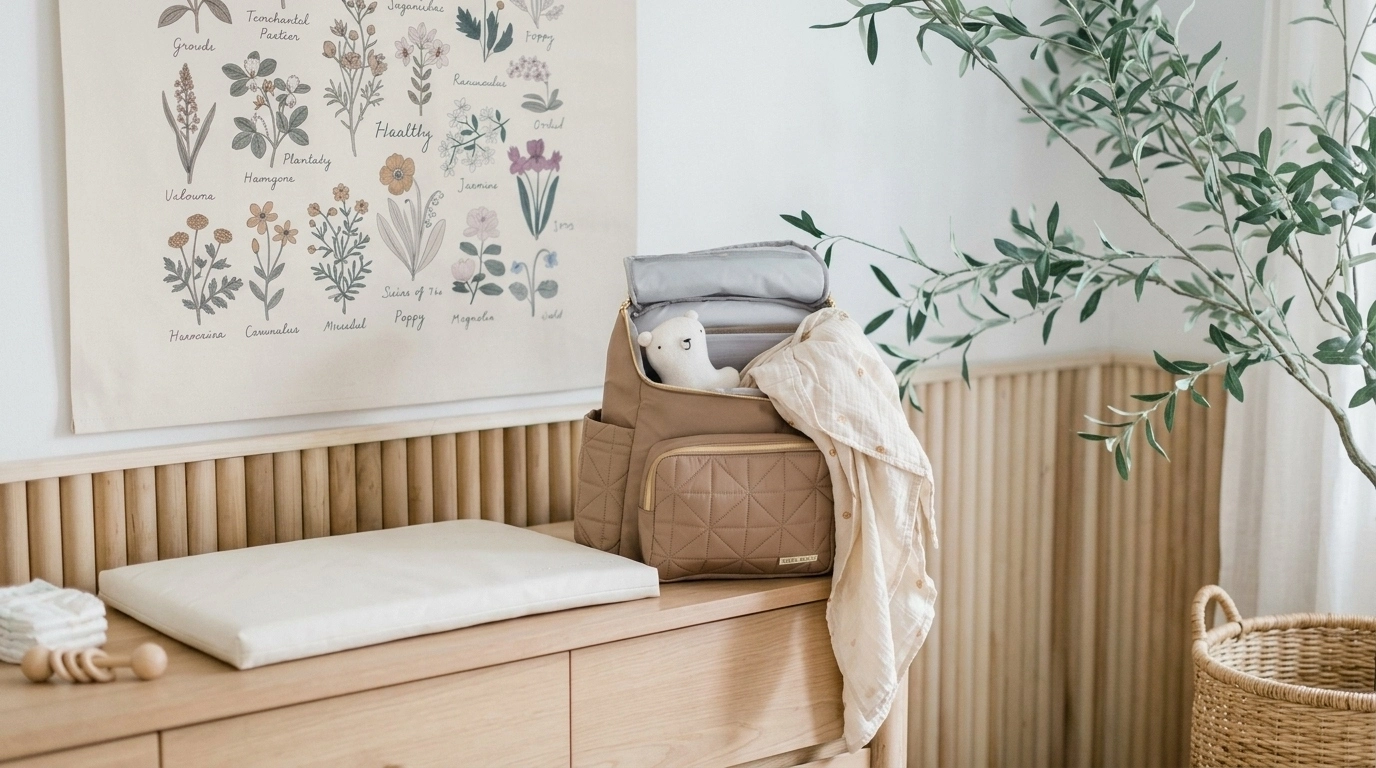
The first step is choosing the right kids furniture. Items in the nursery should be stable and slip-resistant. Rounded corners or protective covers greatly reduce the risk of injury during play. It is also important to consider the child’s age: the crib, chair, and shelves should match their stage of development, ensuring both comfort and safety.
The flooring is just as important. Children spend much of their time there—crawling, rolling, and playing. Soft rugs or non-slip mats not only make the space safer but also support the child’s motor skill development.
Toys deserve special attention as well. Age-inappropriate items can pose risks, particularly if they contain small parts that a child might swallow. That is why parents should choose only high-quality, tested, and certified products.
Lighting should not be overlooked when creating a safe environment. Warm yet sufficient light in the nursery fosters a calm atmosphere while helping prevent accidental falls. A cozy nightlight with a gentle melody can further give the child a sense of security.
A home truly becomes a haven of warmth when parents thoughtfully plan every detail. A well-considered environment not only protects the child but also gives them the freedom to play and explore the world around them.