Does A Child Really Need To Aalk Barefoot?

As soon as a little one starts taking those first independent steps, parents almost always ask the same question: is walking barefoot safe and genuinely helpful?
Many instinctively worry that a child might get cold without shoes or believe that supportive footwear will do a better job at protecting growing feet. Yet modern pediatric and orthopedic research paints a different picture: barefoot walking is one of the most natural and effective ways to support healthy foot development and proper gait formation.
Why is barefoot walking so beneficial?
A child’s foot develops gradually — the bones are still soft, the muscles are just beginning to strengthen, and the joints remain very flexible. When a child walks barefoot, the foot can move freely in every direction, activating small stabilizing muscles, improving blood flow, and naturally shaping the arches.
Even the best-designed shoes cannot fully copy the natural mechanics of the bare foot. That is why barefoot movement is such an effective way to train healthy gait patterns and support anatomical development.
Balance, coordination, and full-body involvement
Children’s feet contain thousands of sensory receptors that react instantly to different surfaces: smooth floors, carpets, sand, soil, or grass. These signals teach the brain how to control the body, maintain balance, and fine-tune movement.
The more varied the surfaces a child explores barefoot, the more confident their steps become and the more smoothly their coordination develops.
Foot mechanics do not work in isolation. They are closely linked to the pelvis, spine, and the entire musculoskeletal system. When walking barefoot, a child naturally distributes weight more correctly, maintains better posture, and strengthens the deep muscles responsible for alignment — reducing the risk of unhealthy movement habits later in life.
A sensory experience no shoe can replace
For young children, learning begins with sensations. Barefoot walking exposes them to a wide range of tactile experiences: warmth and coolness, softness and firmness, subtle texture changes, and gentle vibrations with each step.
These sensations help a child understand how their body moves, develop body awareness, and strengthen their sensory processing system.
When is barefoot walking most beneficial?
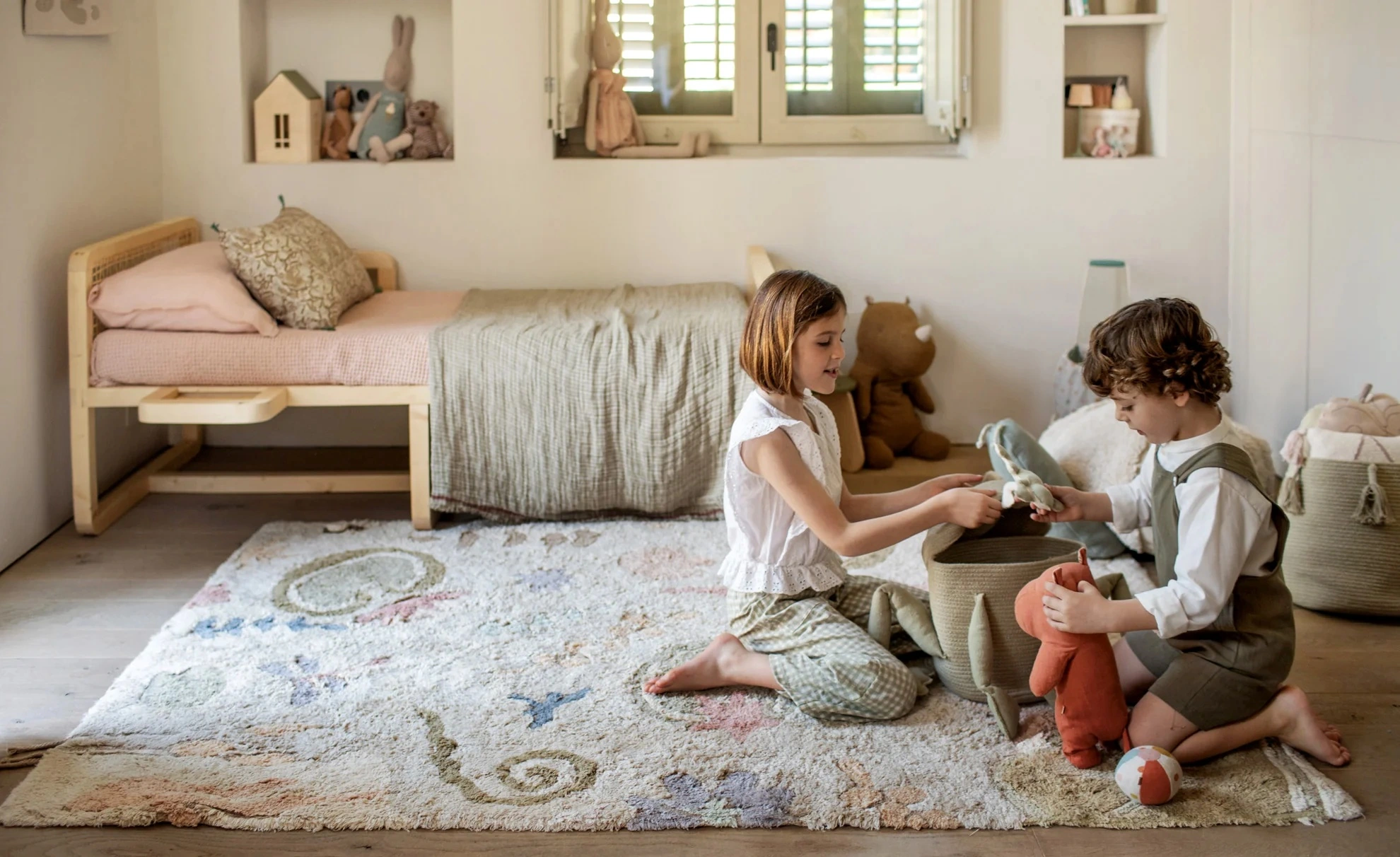
At home — especially on warm, clean floors — it’s an ideal and safe option.
During summer, letting a child walk barefoot on natural surfaces like earth, sand, or grass offers even more benefits. These textures gently stimulate foot muscles and create a natural massaging effect.
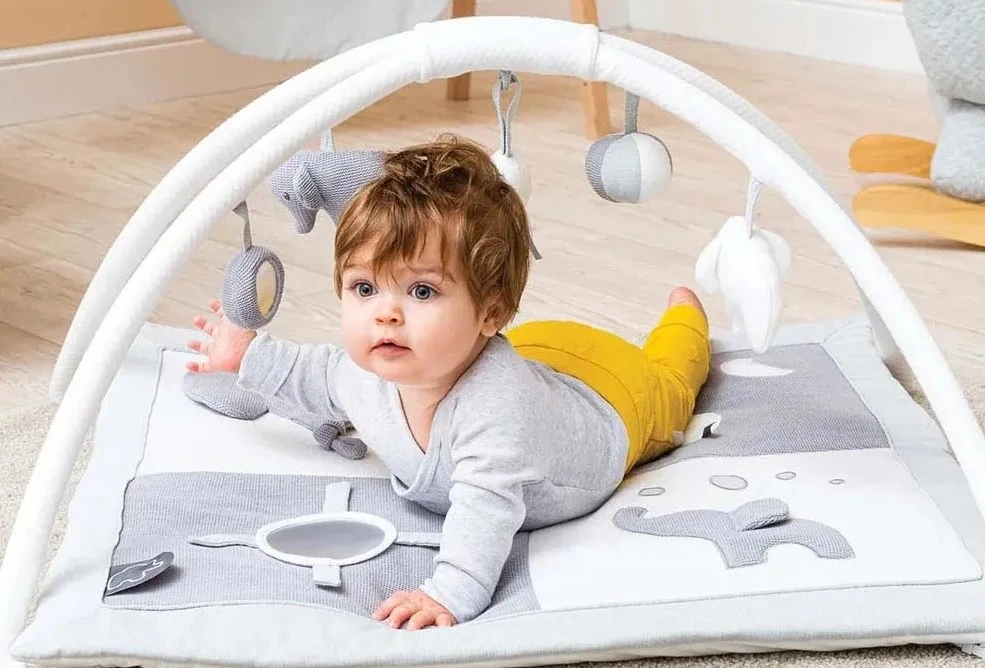
At home, sensory play mats are also a useful addition. They activate foot muscles, improve tone, and help prevent common orthopedic issues like flat feet.
Barefoot walking is perfectly acceptable in winter too, as long as the home is warm. Children don’t catch colds from cool floors — only from viruses. The only real precaution is to avoid prolonged sitting on cold surfaces.
Of course, shoes are necessary outdoors or anywhere the surface might be unsafe. In all other situations, barefoot walking remains a safe, natural, and expert-recommended practice.
This simple everyday habit does far more for a child’s body, gait, and sensory development than it may appear at first glance.