How To Recognize An Ear Infection In Children?
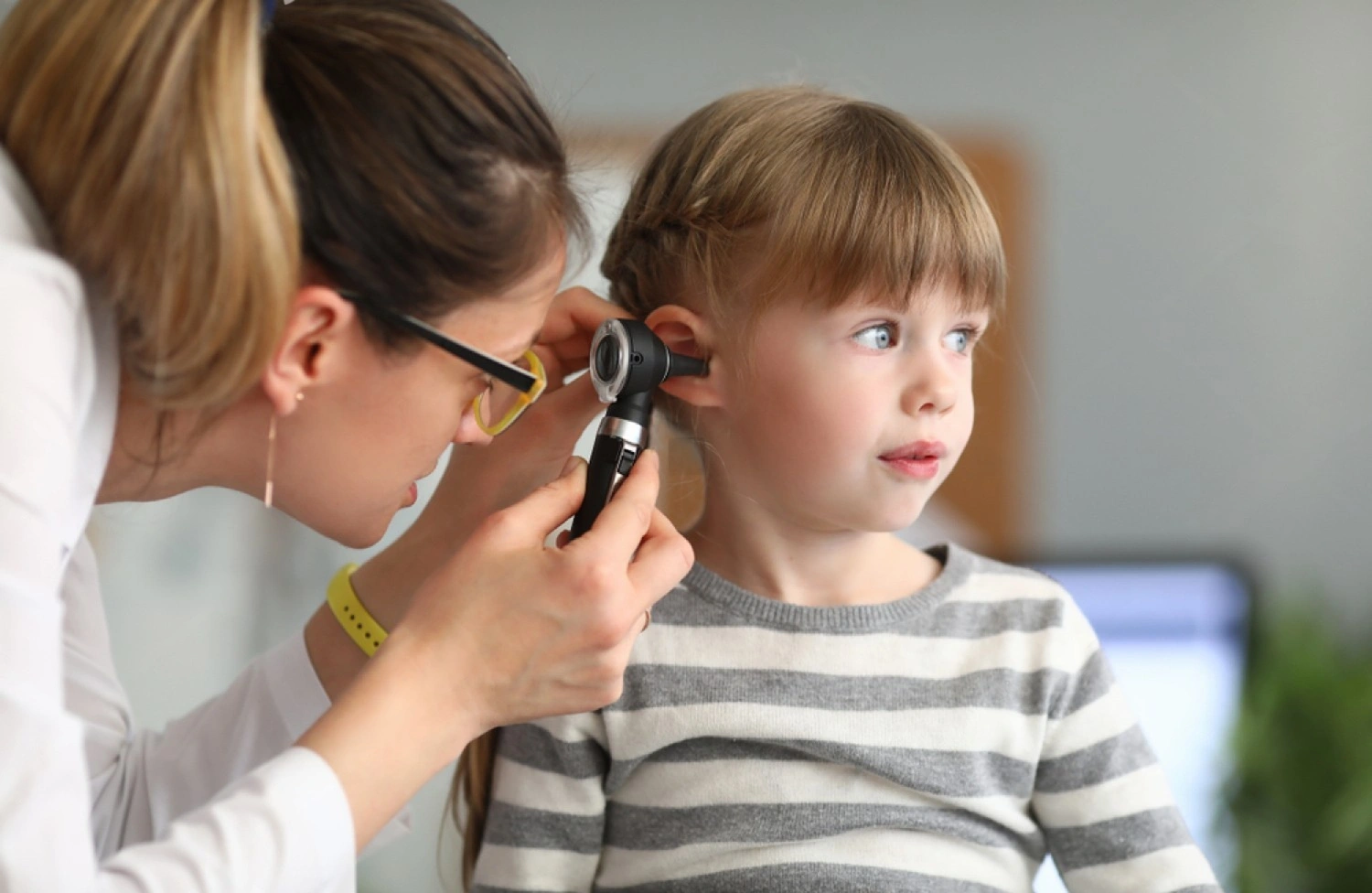
Caring for a child’s health is always a priority, yet some symptoms can be particularly alarming for parents. Ear pain is one of them. How can you distinguish between temporary discomfort and a serious infection, and when should you consult a doctor?
Elene Ramishvili, an otolaryngologist, specializes in this field, and her recommendations can help parents make informed decisions.
How to recognize an ear infection (otitis)?
Ear pain often begins suddenly and can be quite intense. Elene Ramishvili explains that in the case of an infection, the pain may persist for nearly 24 hours and frequently becomes stronger at night.
Signs to watch for:
- Incessant crying – infants who cannot yet speak often express pain through continuous crying;
- Fever – ear infections are commonly accompanied by elevated temperature;
- Anxiety and sleep disturbances – increased pain often disrupts a child’s sleep at night.
If your child shows these symptoms, it may indicate otitis media, which requires prompt medical attention.
Why is self-medication dangerous?
Parents sometimes rely on traditional methods, such as applying a warm compress to the ear, hoping to ease the pain. Dr. Elene Ramishvili cautions that while warmth may provide temporary relief, it does not treat the underlying condition.
Moreover, heat may provoke neuralgic pain, potentially worsening the situation and causing additional discomfort for the child. Effective treatment should be medical and prescribed exclusively by a qualified specialist.
Potential complications include:
- Purulent discharge from the ear, indicating that the infection is progressing deeper;
- Abscess – the formation of localized purulent inflammation;
- Meningitis – one of the most dangerous complications, which can be life-threatening.
For this reason, antibiotic therapy is often necessary in cases of middle or outer ear infections to prevent the spread of infection.
How to detect hearing loss early?
Hearing problems do not always present with pain. Parents should carefully observe their child’s behavior:
- Does the child respond when called?
- Does the child watch television or use devices at unusually high volume?
The causes may vary—from common colds and viral infections that lead to middle ear inflammation to damage to the auditory nerve. Hearing loss may be either congenital or acquired.
Diagnosis and Treatment
If you suspect hearing difficulties or your child experiences ear pain, consulting a specialist is essential. According to Elene Ramishvili, the condition is evaluated using additional diagnostic tests, such as an audiogram, which accurately measures hearing levels and identifies the extent of impairment.
Remember that timely diagnosis and appropriate treatment are key to protecting your child’s hearing and overall well-being. Do not postpone a visit to the doctor.